

Oral lab autoclave thermal coil fitting
In any oral lab or dental practice, consistent autoclave performance starts with the right thermal transfer parts. The Dental sterilizer heating coil operates as the primary heat source, rapidly raising chamber temperature to sterilization thresholds. Working in tandem, the Oral disinfection equipment heating loop evens out thermal distribution to eliminate cold spots that could leave pathogens behind. The entire assembly is stabilized by the Dentistry autoclave thermal ring component, which ensures a direct conductive path from the element to the sterilization tray. Sealing the system, the Dental steam sterilizer heating collar maintains pressure integrity, preventing energy waste and accelerating cycle recovery times. These components, when matched precisely, reduce wear on seals and gaskets and extend the service life of the entire unit.
The Oral Lab Autoclave Thermal Coil Fitting bridges electrical input with thermal output inside the sterilization chamber. It is machined from a single billet of medical-grade alloy for grain structure uniformity, which resists micro-cracking under rapid temperature swings. Every surface is electro-polished to a mirror finish, minimizing particle adhesion and making the fitting easy to wipe down between cycles. The thread geometry follows ISO metric standards, so it installs with standard torque tools and stays locked after thousands of thermal expansion and contraction events. Independent lab tests confirm that this fitting maintains full rated flow and electrical continuity after 8,000 simulated autoclave cycles in a saturated steam environment.
- Material: 316L vacuum-melted stainless steel with molybdenum addition for pitting resistance
- Finish: Electro-polished to Ra ≤ 0.3 µm, passivated per ASTM A967
- Thread specification: M8 x 1.0–M12 x 1.5 ISO metric, Class 6g tolerance
- Operating temperature: -50°C to 160°C intermittent, 110°C to 138°C continuous steam
- Pressure rating: 0.35 MPa (50 psi) at 138°C with 4:1 burst safety factor
- Compatibility: Fits most front-loading B-class and S-class autoclave thermal chambers
- Conductivity: 15.1 W/m·K at 100°C with low thermal hysteresis
- Chemical resistance: Unaffected by common sterilant cleaners, 3% hydrogen peroxide vapor, and citric acid descaling solutions
| Parameter | Measured Value |
|---|---|
| Resistance tolerance (cold) | ±3% from nominal at 22°C |
| Insulation resistance | >200 MΩ at 500 VDC |
| Dielectric strength | 1,500 VAC for 60 seconds, no breakdown |
| Heating element diameter | 6.5 mm ±0.05 mm |
| Coil pitch consistency | 2.8 mm ±0.1 mm over entire winding length |
| Tensile strength (fitting body) | 520 MPa minimum yield |
| Endurance testing | 8,000 cycles at 134°C, no loss of function |
| Leak rate (helium test) | <1×10⁻⁹ mbar·L/s at 25°C |
Related Products
Hot Products
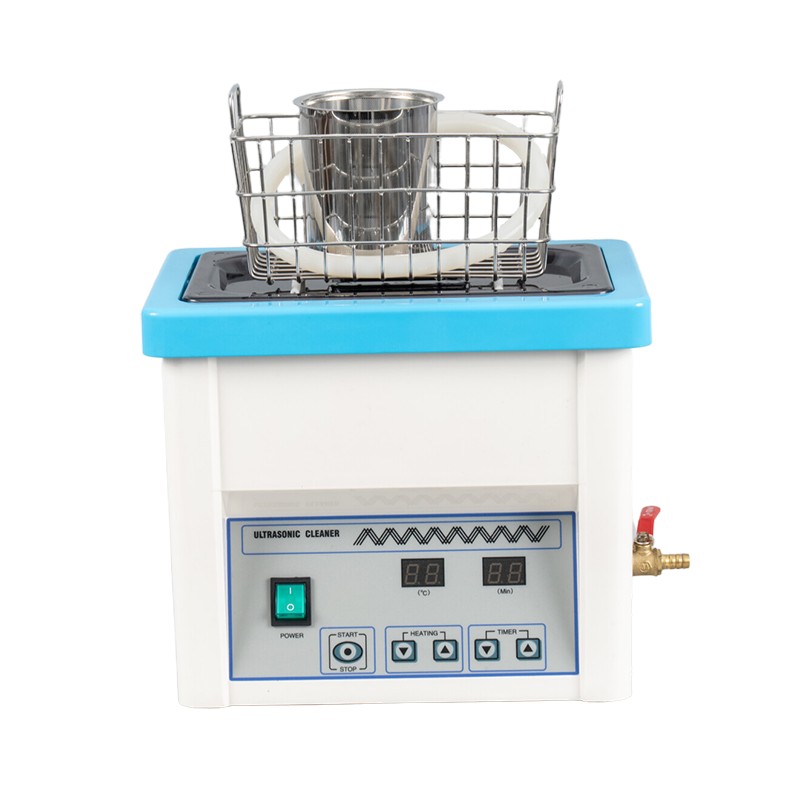
Dental instrument ultrasonic cleaner
The Dental instrument ultrasonic cleaner produced by BestMedical, a manufacturer, is mainly used for the meticulous cleaning of dental diagnostic equipment. It relies on the principle of high-frequency ultrasonic vibration to achieve deep cleaning and efficient sterilization of various metal dental instruments and dental diagnostic tools. The equipment is equipped with precise temperature control and timing functions, and the operation is intuitive and controllable, meeting the cleaning needs of different instruments. The inner container of the equipment is made of 304 stainless steel, which is corrosion-resistant and not prone to rust, making daily cleaning and maintenance very convenient.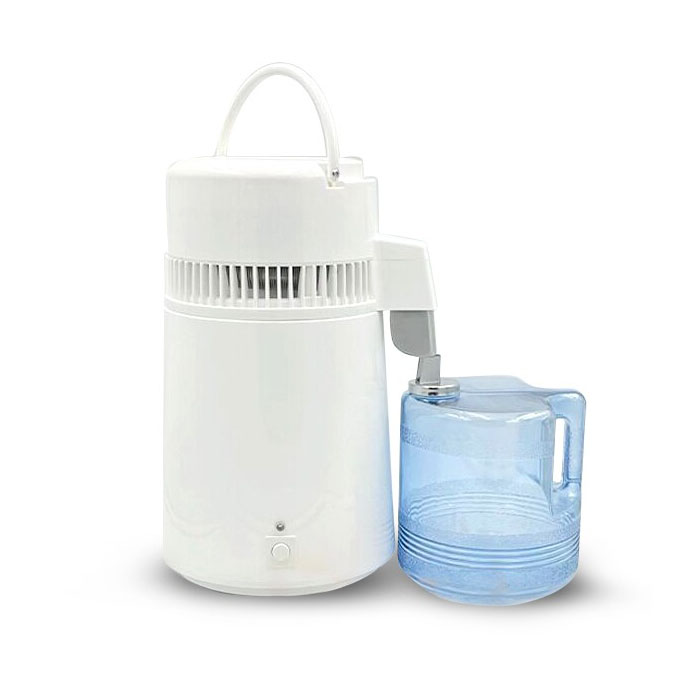
Dental autoclave water distiller
This Dental autoclave water distiller is a professional pure water preparation equipment specially designed for dental clinics and dental hospitals. It uses food-grade 304 stainless steel liner and ABS environmentally friendly plastic casing. It has the advantages of automatic power-off protection against dry burning, efficient distillation, and multi-scenario adaptation. The distillation capacity can reach 1 liter per hour. It can stably produce high-purity distilled water that meets dental sterilization requirements. It is developed by BestMedical, a Chinese professional medical sterilization equipment manufacturer. Provided for supply and in stock, it is a standardized equipment for preparing pure water for dental sterilizers.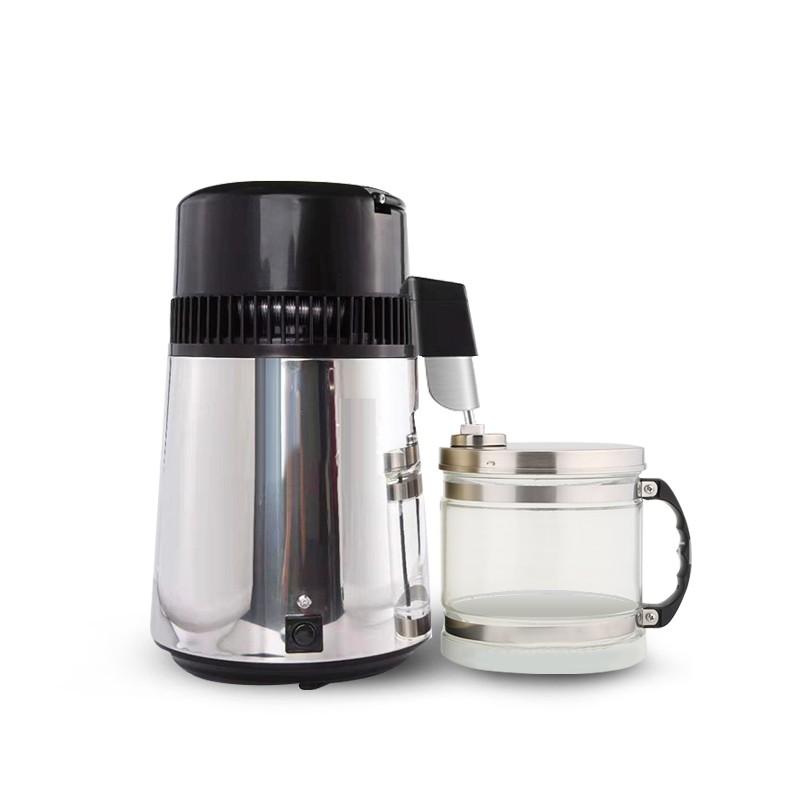
Stainless steel dental water distiller
This Stainless steel dental water distiller is a high-end pure water preparation equipment specially built for dental clinics. The entire machine is made of 304 food-grade stainless steel. It has the advantages of efficient distillation, anti-dry boil protection, durability and anti-wear, and multi-scenario adaptability. The distillation capacity is 1 liter per hour, and it can stably produce high-purity distilled water that meets dental sterilization requirements. It is supplied by BestMedical, a professional medical sterilization equipment manufacturer in China. It is in stock. It is the high-end preferred equipment for pure water preparation for dental sterilizers.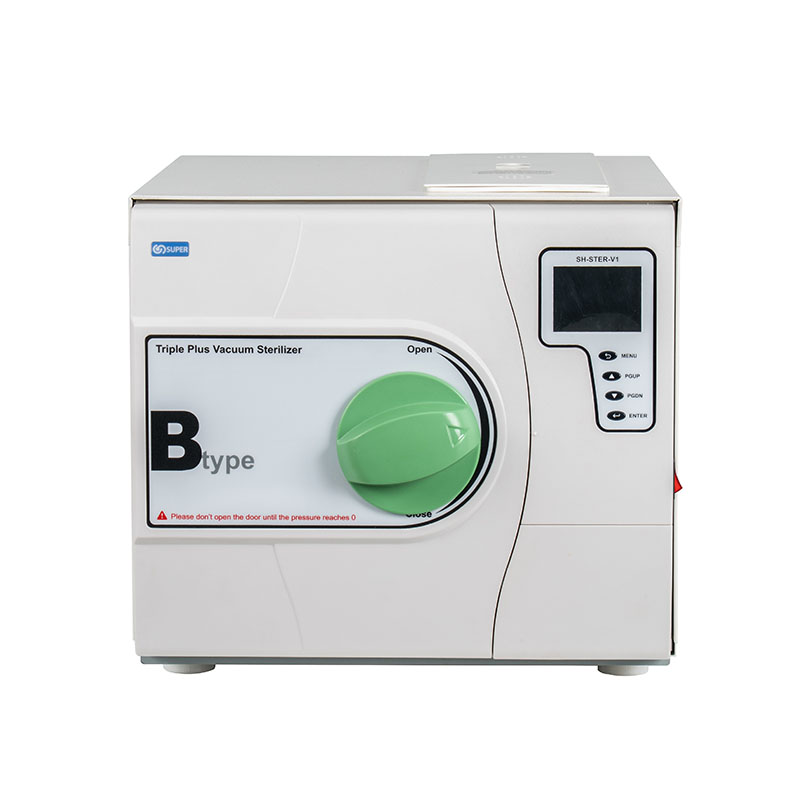
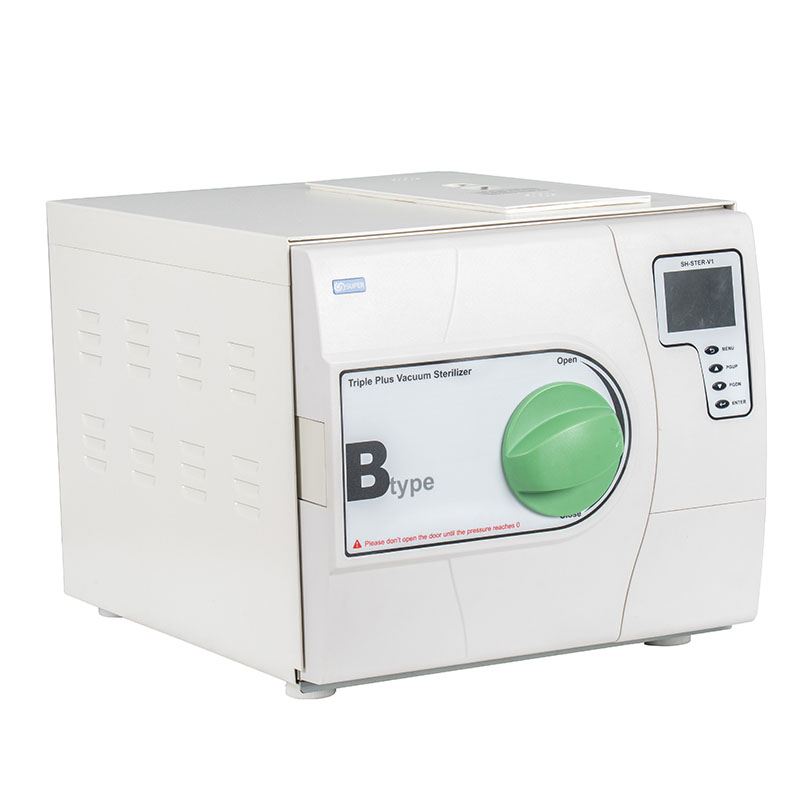
Class B dental autoclave
This China Class B Dental Autoclave Product Details Page by BestMedical supplier is the preferred equipment for high-temperature sterilization in dental clinics, laboratories and medical institutions. The whole machine strictly complies with European Class B sterilization standards and integrates three-pulse pre-vacuum and vacuum drying functions, which can meet the high-standard sterilization needs of various complex dental instruments such as hollow, porous, and inner-lumen pipes.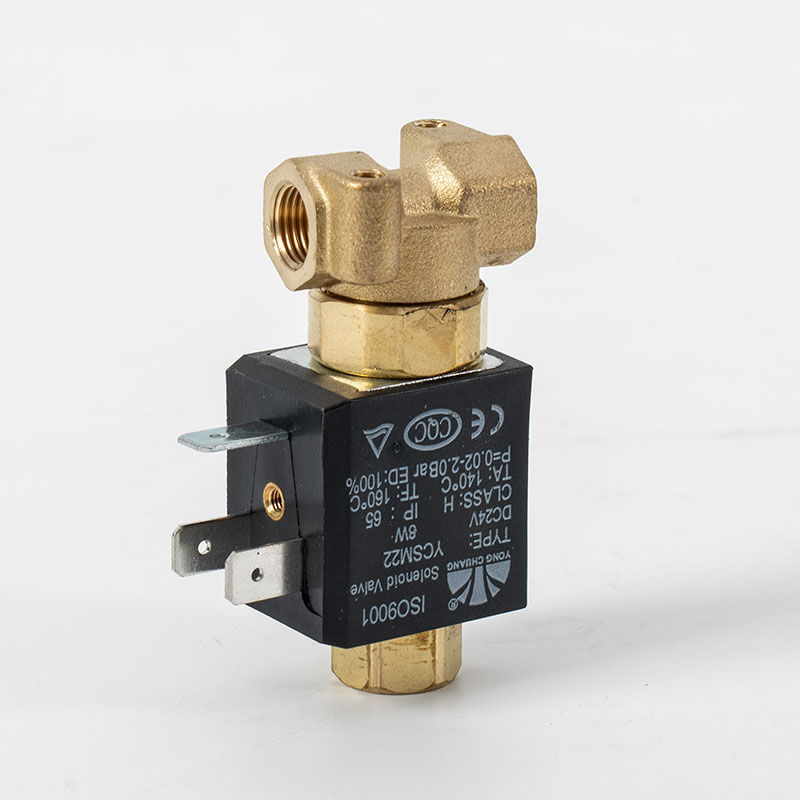
Dental autoclave normally closed solenoid valve
This Dental autoclave normally closed solenoid valve is a crucial component in the control system of the dental sterilizer. It is mainly responsible for the on-off control of steam and water channels within the equipment, and is an important accessory that ensures the stable operation of the sterilization process. The product is designed for professional working conditions and has excellent high-temperature resistance. The sealing structure is tight and durable, with a quick response during opening and closing, and is stable and reliable during long-term operation. It can be used with various desktop dental sterilizers. This solenoid valve is manufactured by the domestic professional medical sterilization equipment manufacturer Best Medical, with stable quality and strong versatility. It is a standard replacement part for dental steam sterilizers.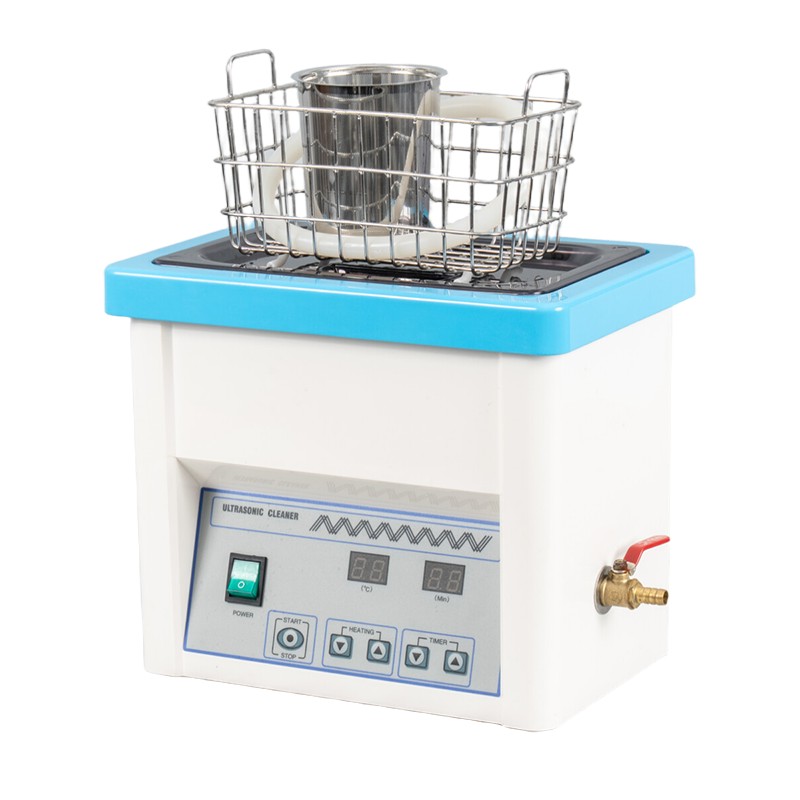
Dental handpiece ultrasonic cleaner
This Dental handpiece ultrasonic cleaner is a special deep cleaning equipment for dental handpieces. It uses high-frequency ultrasonic oscillation technology to carry out deep cleaning and efficient decontamination of the internal pipes, bearings and gaps of dental handpieces. It is equipped with precise temperature control and timing systems. The 304 stainless steel inner tank is corrosion-resistant and easy to clean. It is supplied by BestMedical, a professional medical sterilization equipment manufacturer in China. It is in stock. It is a special equipment for cleaning and maintenance of dental handpieces in dental clinics and oral hospitals.
- Related Blog
- Reviews
