
Can ultrasonic cleaners satisfy cross‑market decontamination audit demands?
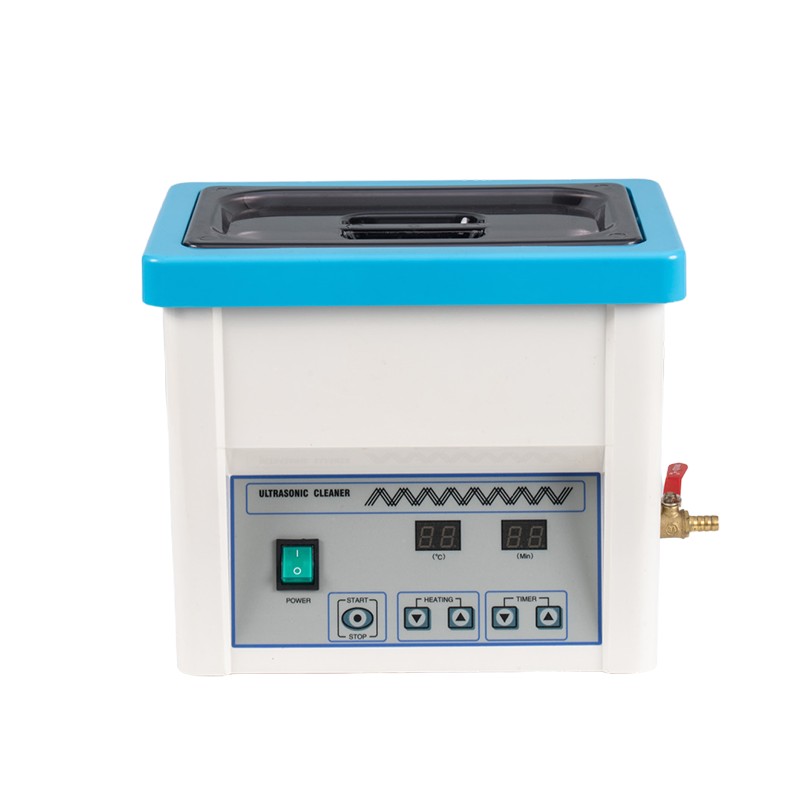
NB‑BestMedical builds multi‑market oriented pre‑validation workflows for Dental handpiece ultrasonic cleaner, combining challenge‑soil cleaning‑efficacy verification, multi‑regional regulatory‑gap mapping and full‑unit service‑part traceability, addressing cross‑market audit blind‑spots long before finished‑units ship for international dental‑equipment distribution networks.
1. Challenge‑soil test validation proves real decontamination capacity beyond visual inspection
Most basic factory QC relies on visual observation after cleaning cycles. Visual cleanliness offers no objective proof of removed protein‑based biocontamination, which forms the core evaluation metric for dental‑decontamination audits. Units delivering spot‑free appearance may still leave residual organic film hidden inside handpiece lumens. When auditors carry out residue‑detection checks, such equipment generates non‑conformity findings regardless of satisfactory day‑to‑day clinic‑operation. NB‑BestMedical runs standardised challenge‑soil testing simulating dentin debris, blood and lubricant residues, quantifying post‑cycle organic‑removal efficiency. Measurable cleaning‑efficacy records become part of each production‑lot archive, supplying objective evidence requested by third‑party decontamination assessors across different territories.
2. Multi‑regional regulatory‑gap mapping closes documentation divergence risks
A single CE certificate does not cover every import‑market nuance. Requirements around material declaration, user‑manual mandatory clauses, risk‑analysis files and post‑market surveillance obligations vary noticeably between EU MDR, UKCA and North‑American medical‑device frameworks. Generic documentation packages prepared for one territory frequently miss mandatory data‑points for another destination. Distributors who reuse identical dossiers for multiple geographies face audit‑deficiency and customs‑clearance obstacles. NB‑BestMedical executes pre‑project regulatory‑gap mapping aligned to target‑market rules, adjusting material‑declaration, risk‑file content and IFU texts per destination country, lowering document‑driven shipment‑detention risks for multi‑territory OEM programmes.
3. Reproducible cycle‑parameter verification guards against lot‑to‑lot thermal‑timing deviation
Decontamination audit frameworks demand consistent repeatable cleaning‑cycle outputs, not merely nominal set‑values displayed on control panels. Minor component‑tolerance spread across mass‑production batches can bring actual achieved temperature and cycle‑duration to drift away from panel‑readouts. Even small deviations accumulate and alter real‑world biocontaminant‑removal results. Without lot‑wise real‑output verification, importers cannot defend equipment performance during regulatory inspections. NB‑BestMedical conducts physical thermal‑timing logging across representative‑units per production run, documenting actual achieved cycle‑conditions rather than depending purely on digital‑display readings, delivering reproducibility‑proof required for dental‑practice audit trails.
4. Wetted‑material batch traceability addresses biocompatibility‑audit requirements
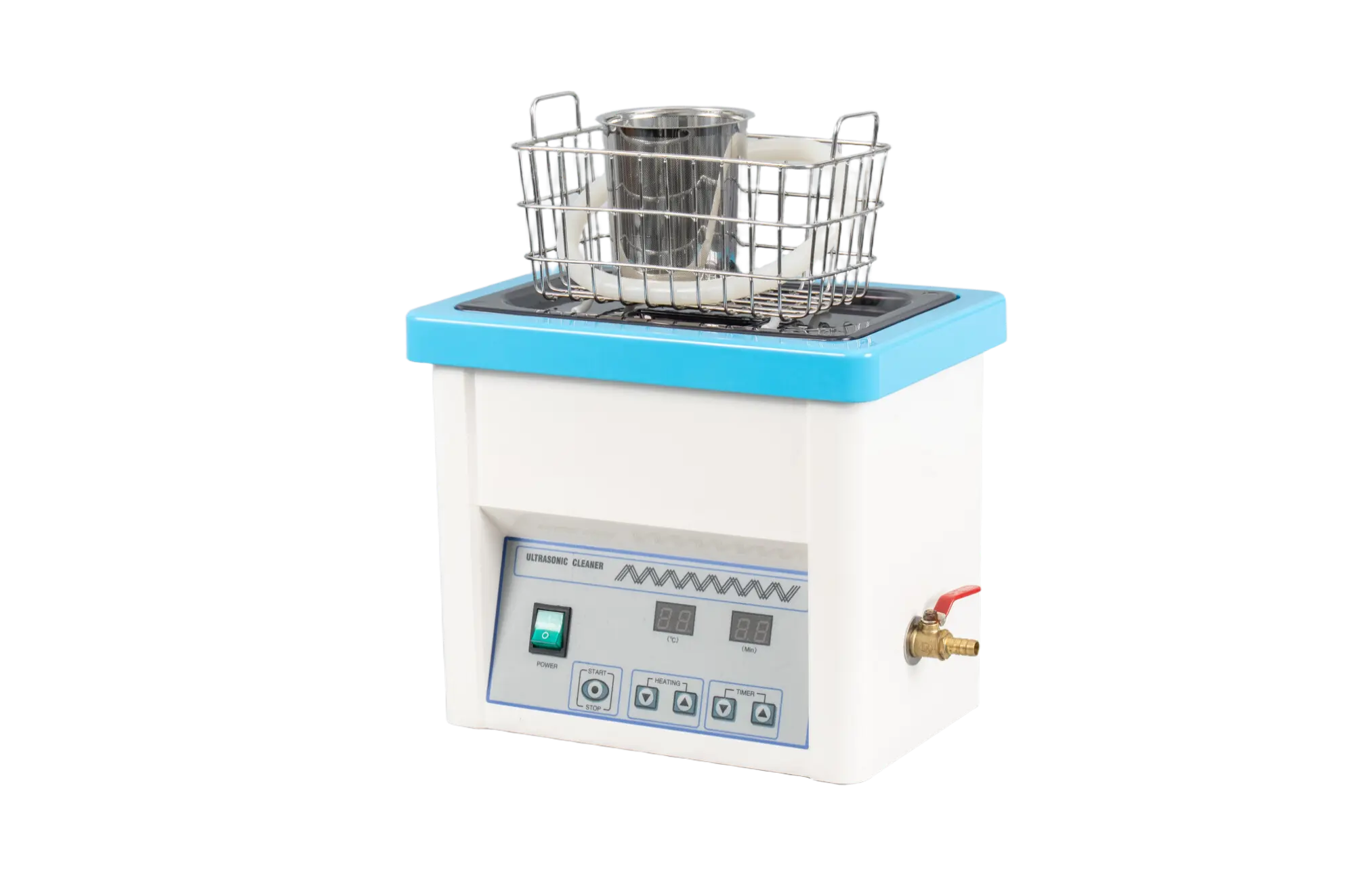
Regulatory assessors examine wetted component material pedigree for dental‑decontamination hardware. This covers tank metal sheets, weld filler material, sealing gaskets and drain‑valve contact surfaces. Simple finished‑product material‑spec sheets cannot satisfy audit expectations; inspectors expect traceability back to incoming raw‑material batches. Mix‑ups of non‑qualified gasket or stainless‑steel lots remain invisible in visual inspection yet create material‑non‑conformity during third‑party assessment. NB‑BestMedical maintains incoming‑batch traceability for every wetted component touching cleaning‑solvent, compiling material‑pedigree records tied to finished‑unit serial‑numbers to fulfil medical‑device biocompatibility‑audit traceability obligations.
5. Service‑part availability validation supports long‑term post‑market surveillance rules
Many medical‑device jurisdictions oblige OEM suppliers to guarantee defined‑term spare‑part accessibility for field‑deployed equipment. Some ultrasonic‑cleaner projects deliver complete finished‑machinery yet lack formal spare‑part stock‑plans for transducers, seals and control‑boards. Once moulds or component‑sourcing get discontinued, distributors cannot source replacement‑parts, violating post‑market‑surveillance obligations and exposing importer‑clients to regulatory‑penalty. NB‑BestMedical locks‑in multi‑year spare‑part‑availability commitments for each OEM project, defining serial‑number‑linked service‑part lists in advance of mass‑shipment, assisting private‑label importers satisfy ongoing post‑market‑monitoring compliance.
6. Audit‑ready consolidated technical‑files simplify third‑party notified‑body review
Scattered separate test‑reports from different lab‑sources increase administrative burden during notified‑body or local‑authority reviews. Distributors receive disjointed documents and must manually reorganise datasets for import‑submission, raising human‑error risk. Fragmented archives extend review‑cycle timelines and may delay product market‑release. NB‑BestMedical assembles unified project‑specific consolidated technical‑file packages integrating challenge‑soil test‑logs, wetted‑material trace‑records, cycle‑reproducibility‑data and regulatory‑gap‑adjusted risk‑analysis content. These audit‑ready archives reduce document‑sorting overhead for cross‑border dental‑equipment importers undertaking private‑label medical‑device registration.
Related News
- How to avoid frequent chamber failures for your Class-B dental autoclave? Key points of reliable stainless-steel chamber selection
- Looking for a High-performance Class B Autoclave for Your Dental Practice?
- How Can Standardized Class B Dental Autoclave Inner Chamber Solve Sterilizer Leakage & Clinic Downtime Issues?
- How Does a Fast Cycle Dental Autoclave Improve Sterilization Efficiency?
- Why Is a Dedicated Stainless Steel Water Distiller Essential for Dental Autoclaves?
- How to Choose a Cost-effective Dental Handpiece Cleaning & Oiling Machine?
Leave me a message