
How to avoid frequent chamber failures for your Class-B dental autoclave? Key points of reliable stainless-steel chamber selection
Most Class-B dental autoclave manufacturers source generic stainless-steel chambers from the open market. But long-term high-temperature steam cycles, frequent pressure fluctuations and humid working conditions can make ordinary chambers suffer corrosion, pitting and deformation. Then sterilization failure happens repeatedly, bringing high after-sales maintenance costs for equipment makers.
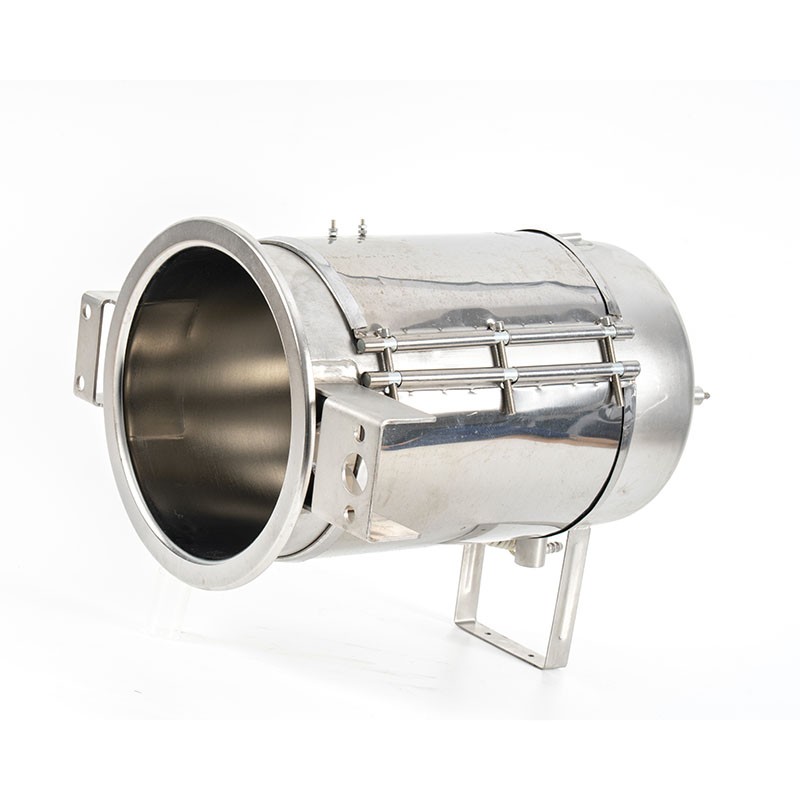
BestMedical’s 316L stainless-steel autoclave chambers break away from low-grade material solutions. We adopt precision one-piece deep-drawing processing, smooth seamless inner surface, optimized steam circulation structure and strict pressure resistance testing. These features work together to withstand cyclic high-temperature steam. The system solves root troubles including chamber pitting, corrosion, deformation and steam leakage, achieving long service life with low maintenance, suitable for high-frequency daily dental sterilization cycles.
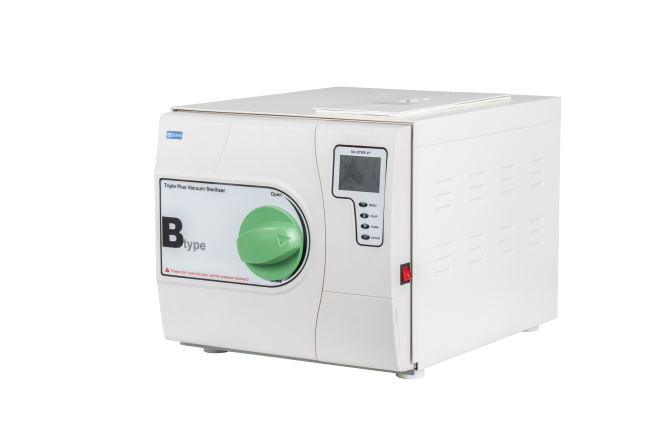
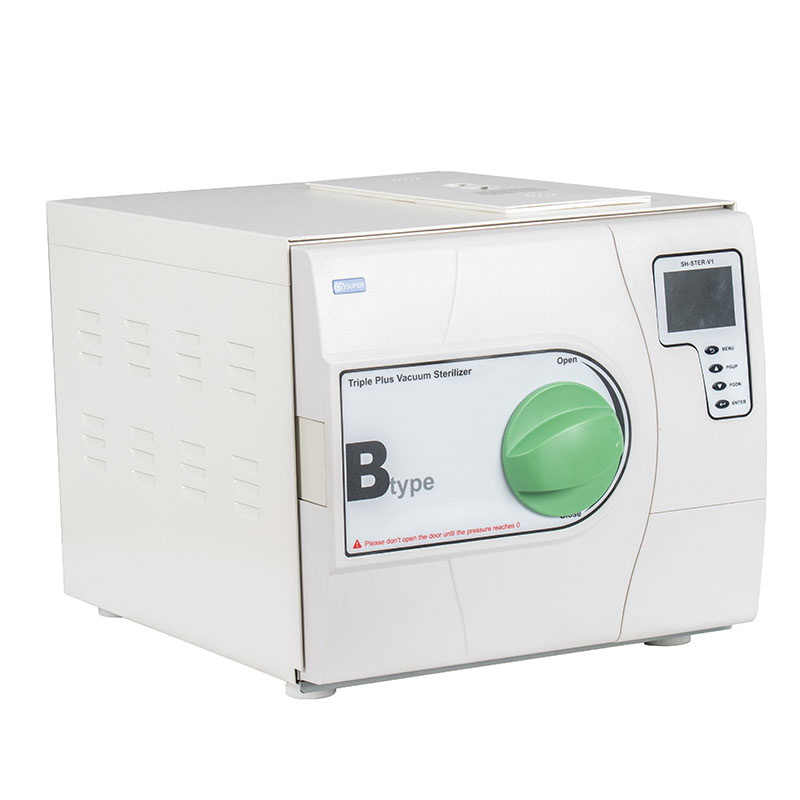
Driven by global oral-health development and growing demand for dental medical devices, Class-B pre-vacuum autoclaves gain rising popularity across global markets. One obvious industry trend: overseas dental equipment manufacturers and importers are no longer only chasing low component prices. They attach greater importance to long-term stability, low after-sales rate and compliance performance of core spare parts, especially for high-humidity tropical & subtropical regions.
Regions including South-East Asia, Latin-America, South-Asia and parts of Middle-East face severe challenges for autoclave core components. Corrosion and steam leakage caused by poor-quality inner chambers become one of the biggest pain points for autoclave producers and distributors.
In dental equipment manufacturing business, defective inner chambers remain a persistent headache for OEM factories and import distributors. Many conventional chambers use ordinary 304 stainless steel with simple welding craftsmanship.
Nevertheless, real-world working conditions include repeated high-temperature steam, sharp pressure alternation, condensed water accumulation and long-time humidity erosion. Ordinary welding seams will gradually corrode, pit and leak steam after hundreds or thousands of sterilization cycles. These failures not only cause incomplete sterilization for end-user dental clinics, but also produce hidden safety risks. Persistent steam leakage further leads to control-board damage, internal component aging, drastically shortening the whole autoclave service life and damaging brand reputation of equipment suppliers.
To fully solve autoclave chamber-related troubles, the solution is not simple replacement of spare parts. Instead, it calls for a complete shift in component-selection philosophy. BestMedical’s Class-B autoclave inner chamber follows three core principles: “superior anti-corrosion material, seamless integral forming, strict pressure-cycle validation”. It greatly cuts failure risks brought by inferior raw material & rough welding workmanship, and stabilizes long-term running performance for the complete autoclave unit.
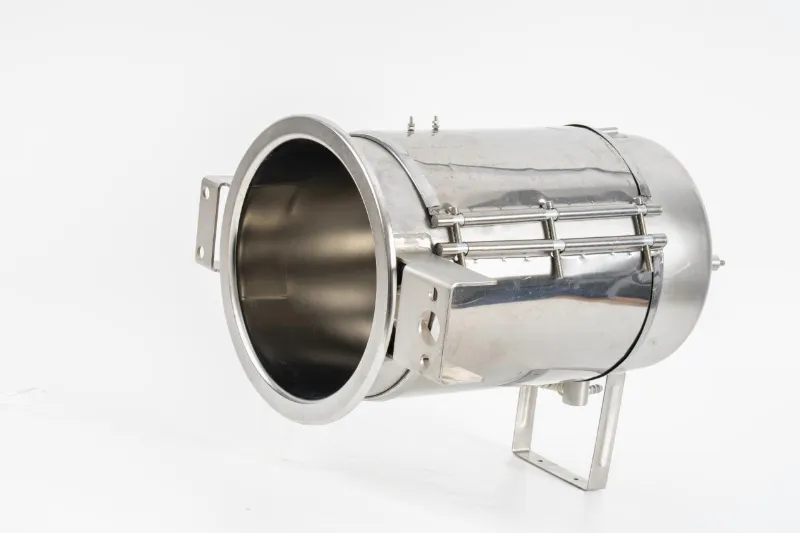
1) Premium 316L Stainless-Steel Material
Ordinary chambers mostly adopt 304 stainless steel. Our autoclave inner chamber uses medical-grade 316L stainless steel, with better chloride-ion corrosion resistance. It performs outstandingly under condensed steam environment, effectively avoids pitting rust spots, and adapts to high-humidity installation areas such as Southeast Asia and South-Asia.
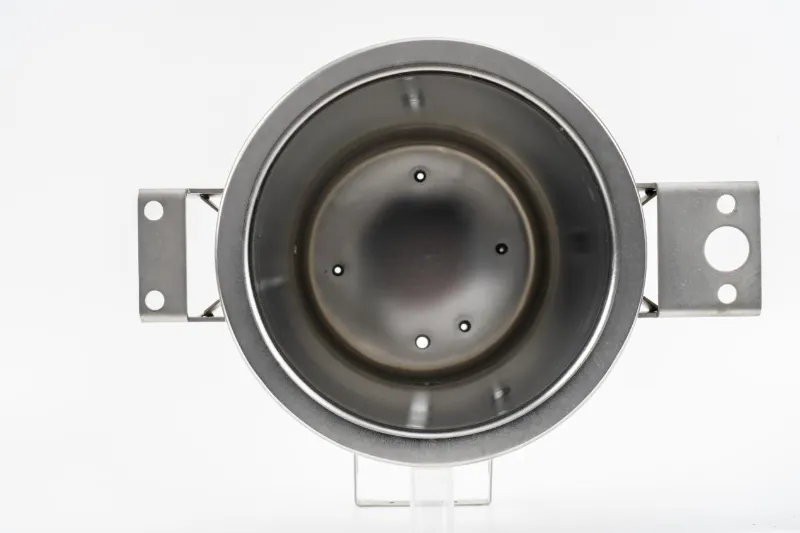
2) Seamless One-Piece Deep-Drawing Forming
Many competitive products are assembled by multi-segment welding. Weld seams become weak points vulnerable to steam corrosion. Our chamber adopts one-piece deep-drawing technology with zero welding seam inside the working cavity. It removes hidden leakage points from the source. Smooth inner surface also makes condensate water drain quickly, reducing residual moisture erosion. We supply standard 18L and 23L sizes for mainstream Class-B dental autoclaves. Custom dimension is available for OEM projects.
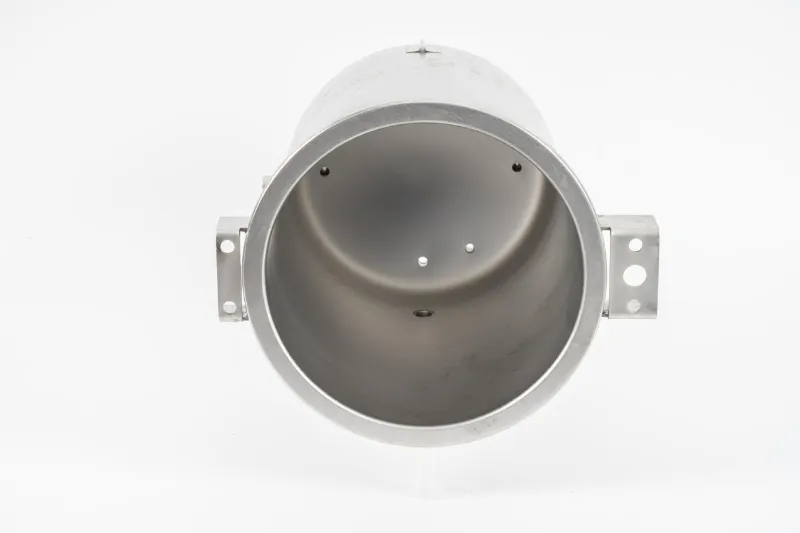
3) Strict Pressure-Cycle Fatigue Test
Each batch of chambers goes through repeated high-temperature & pressure cycle fatigue testing, simulating thousands of real-world sterilization cycles. We verify deformation resistance and tightness performance, to guarantee stable long-time operation for finished autoclave machines.
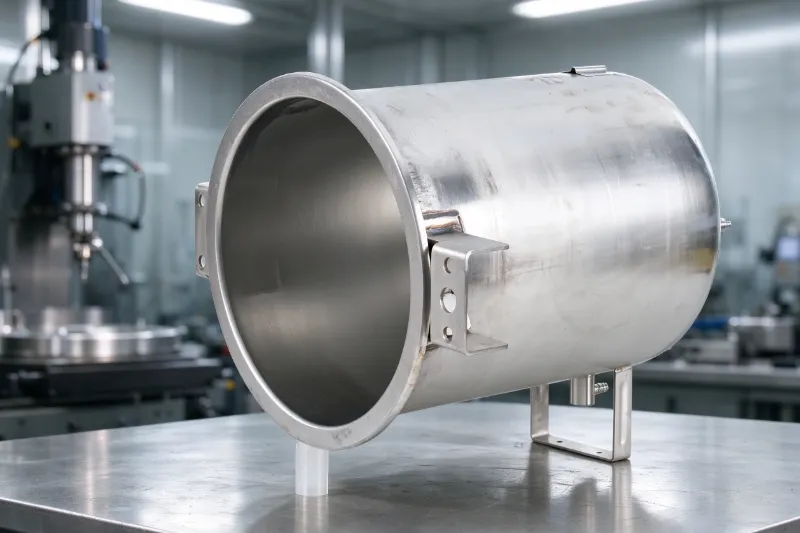
Production
Our 316L stainless-steel sheet goes through cutting, deep-drawing, trimming, polishing and full inspection in-house. The whole deep-drawing forming process is finished on dedicated hydraulic equipment without cavity welding. Zero-seam inner cavity fundamentally reduces steam-leakage risk. Precise dimensional consistency ensures easy assembly for autoclave manufacturers during mass production, laying solid foundation for reliable long-term performance of finished dental autoclave devices.
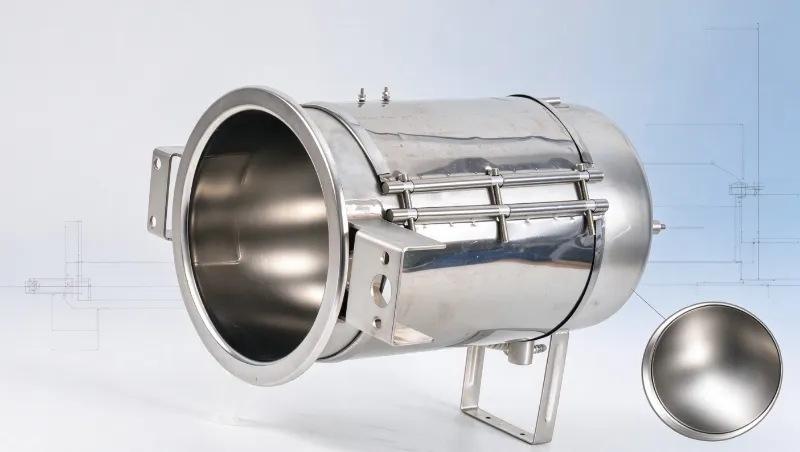
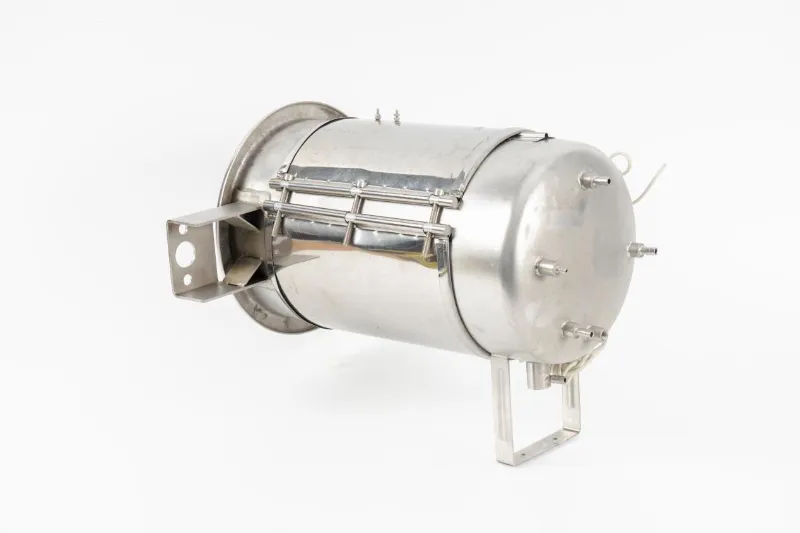
The reliability of a dental autoclave largely depends on its core inner-chamber component, not outer casing or auxiliary accessories. The 316L integral-formed chamber bears high-temperature steam pressure; seamless deep-drawing structure eliminates welding-seam weakness; fatigue-cycle testing validates long-run stability. Every procedure serves one target: durable chamber performance. Other sealing gaskets only work as auxiliary consumables. This approach avoids frequent breakdowns caused by corroded, pitted or leaky chambers after long-time steam cycling. Your finished autoclave maintains stable sterilization performance, while your brand keeps good market feedback.
This delivers a solid long-term component solution for dental-equipment OEM factories and import distributors worldwide.
If you have a project for dental autoclave inner chambers or complete autoclave units, contact us for custom quotation. To help us prepare accurate proposal, kindly share basic information: target chamber volume, quantity requirement, OEM drawing (if available), target-market certification requirements and other special demands.
Previous :
-
Related News
- Looking for a High-performance Class B Autoclave for Your Dental Practice?
- Can ultrasonic cleaners satisfy cross‑market decontamination audit demands?
- How Can Standardized Class B Dental Autoclave Inner Chamber Solve Sterilizer Leakage & Clinic Downtime Issues?
- How Does a Fast Cycle Dental Autoclave Improve Sterilization Efficiency?
- Why Is a Dedicated Stainless Steel Water Distiller Essential for Dental Autoclaves?
- How to Choose a Cost-effective Dental Handpiece Cleaning & Oiling Machine?
Leave me a message