
How Does a Dental Autoclave Ensure Safe Sterilization in Modern Clinics?
Dental sterilization is one of the most critical processes in modern healthcare environments. A dental autoclave plays a vital role in ensuring instruments are free from harmful microorganisms, protecting both patients and practitioners. This article provides a comprehensive guide to dental autoclaves, explaining how they work, their types, key features, maintenance practices, and how to choose the right model for different clinical needs. It also addresses common challenges faced by dental clinics and offers practical solutions to improve sterilization efficiency, safety, and workflow performance.
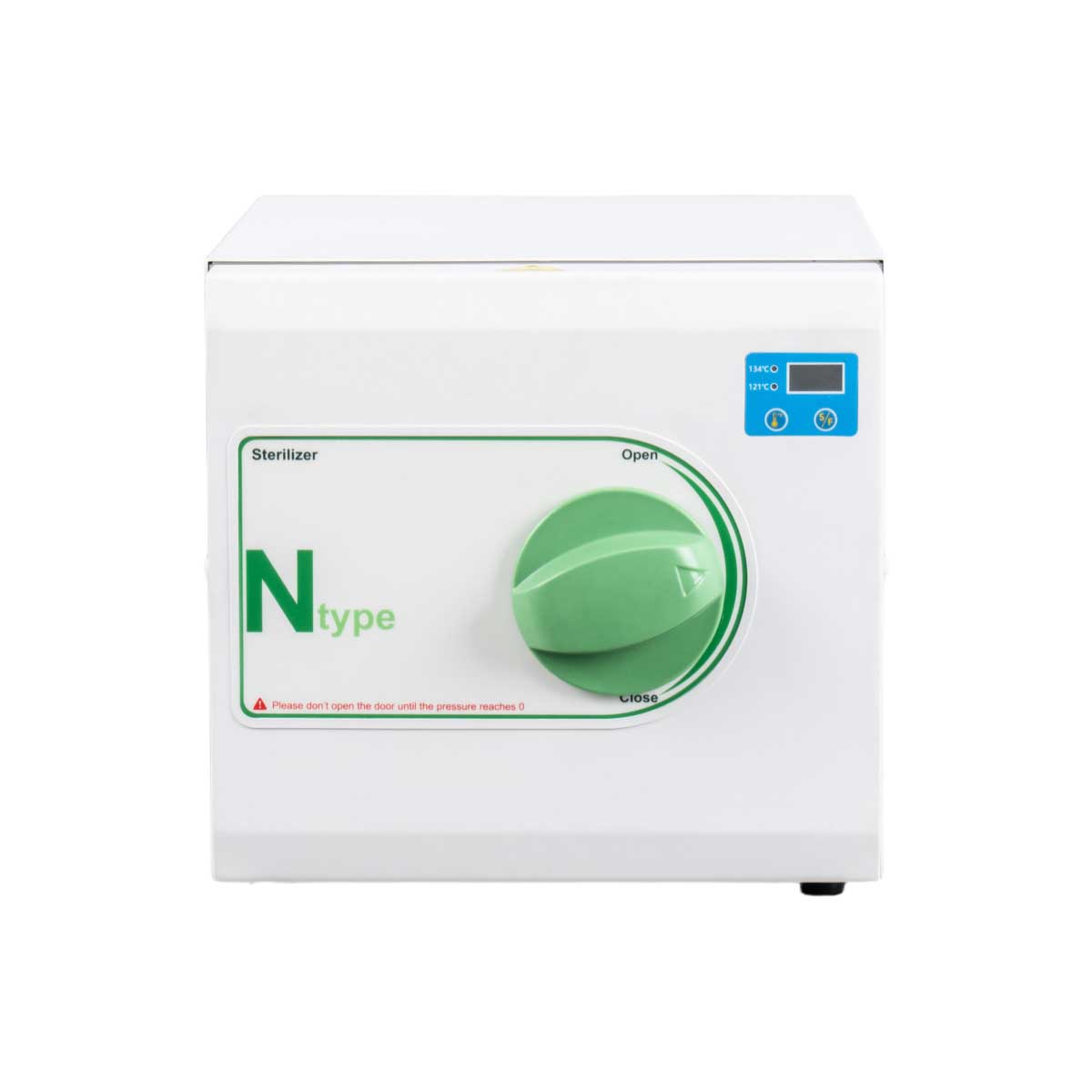
Table of Contents
- Understanding Dental Autoclave
- How a Dental Autoclave Works
- Types of Dental Autoclaves
- Key Features That Matter
- Common Problems and Practical Solutions
- Maintenance and Safety Guidelines
- Applications in Dental and Medical Fields
- Buying Guide for Dental Clinics
- Frequently Asked Questions
- Conclusion and Professional Recommendation
Understanding Dental Autoclave
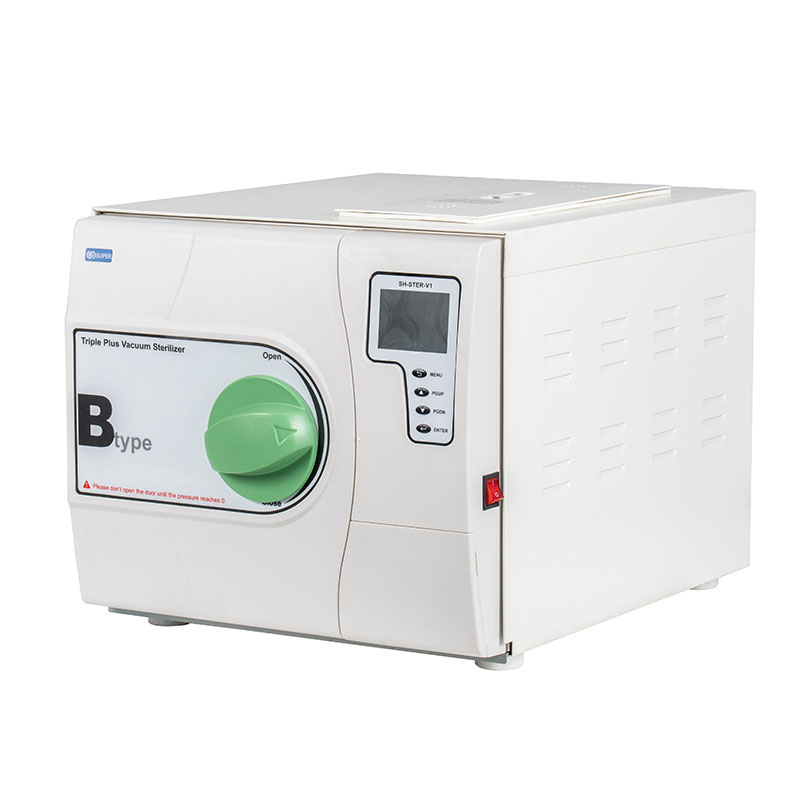
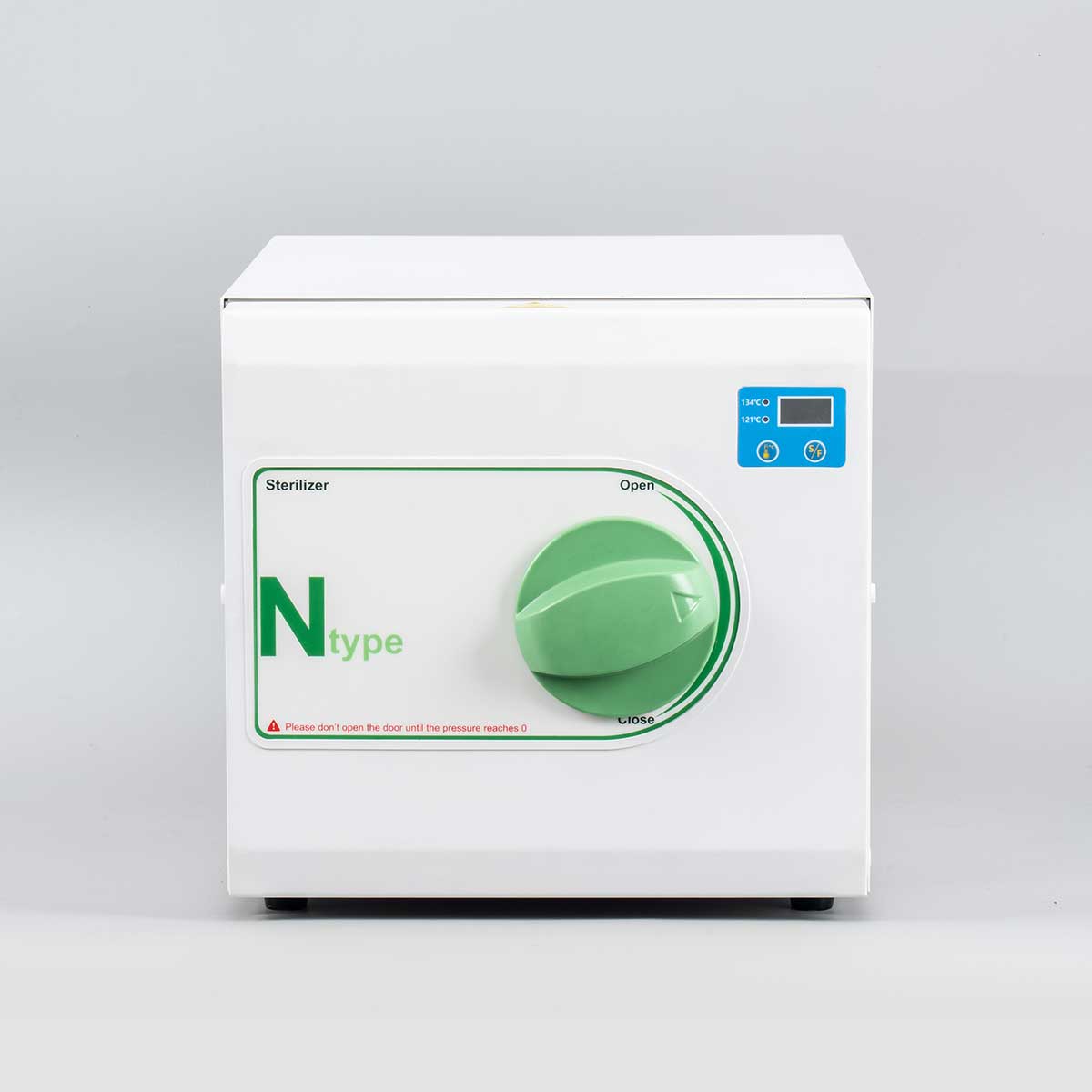
A dental autoclave is a specialized sterilization device used in dental clinics, hospitals, laboratories, and surgical centers to eliminate bacteria, viruses, fungi, and spores from dental instruments. It uses high-pressure saturated steam to achieve sterilization at temperatures typically ranging between 121°C and 134°C.
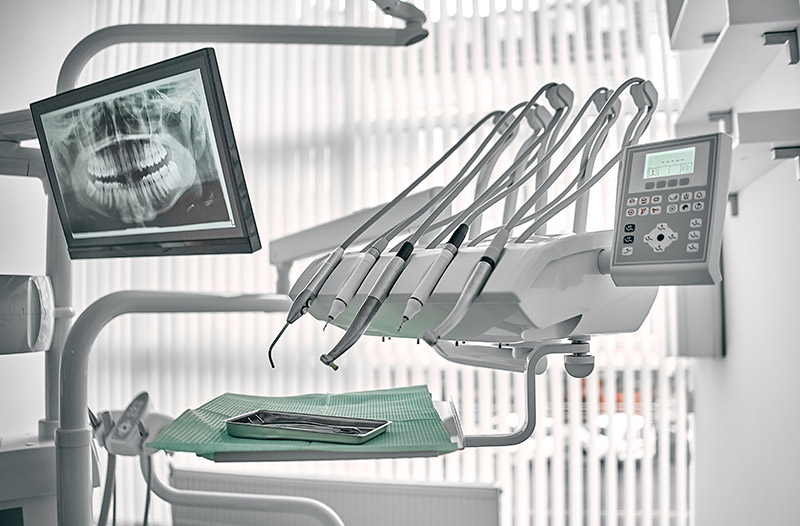
In dentistry, infection control is not optional—it is a strict requirement. Every instrument that comes into contact with patients must be properly sterilized before reuse. This makes the dental autoclave an essential cornerstone of clinical safety and hygiene management.
Without proper sterilization, cross-contamination risks increase significantly, potentially leading to serious infections and compromised patient safety. Therefore, understanding how autoclaves function is crucial for dental professionals and clinic operators.
How a Dental Autoclave Works
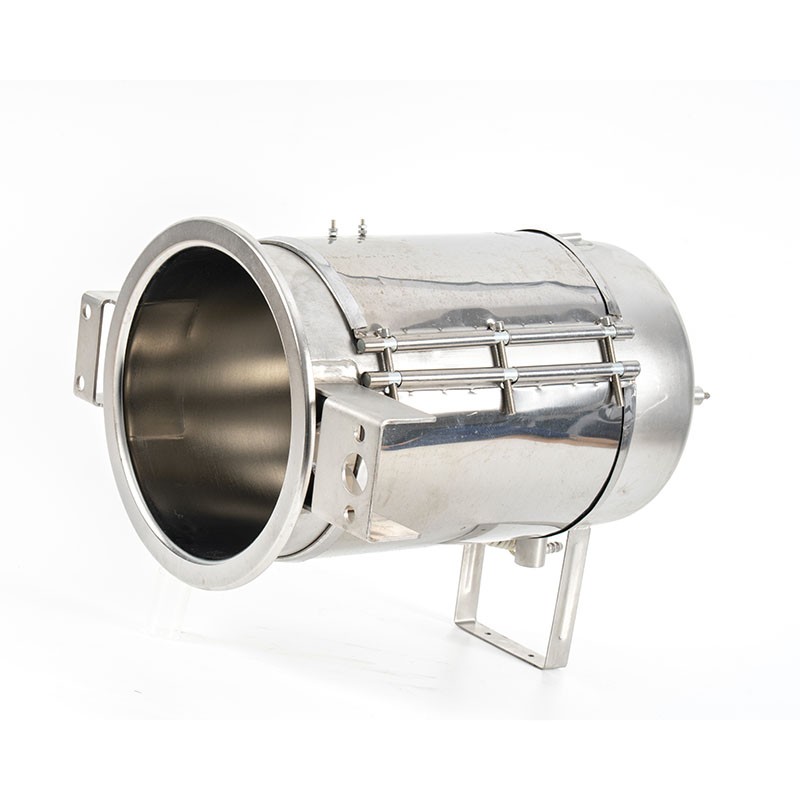
A dental autoclave operates using a controlled process of heat, pressure, and steam penetration. The process typically includes several phases that ensure complete sterilization of instruments.
| Phase | Description | Purpose |
|---|---|---|
| Pre-vacuum Stage | Air is removed from the chamber | Ensures steam penetration into all surfaces |
| Heating Stage | Steam is introduced under pressure | Kills microorganisms through high temperature |
| Sterilization Stage | Maintains required temperature and pressure | Ensures complete microbial destruction |
| Exhaust Stage | Pressure is released and steam is removed | Prepares instruments for drying |
| Drying Stage | Moisture is removed from instruments | Prevents corrosion and contamination |
The efficiency of sterilization depends on correct cycle selection, load type, and proper instrument arrangement inside the chamber.
Types of Dental Autoclaves
Different clinical environments require different types of autoclaves. Choosing the right model depends on workload, instrument volume, and sterilization requirements.
- Class N Autoclaves: Suitable for solid, non-wrapped instruments.
- Class S Autoclaves: Designed for specific load types including some wrapped instruments.
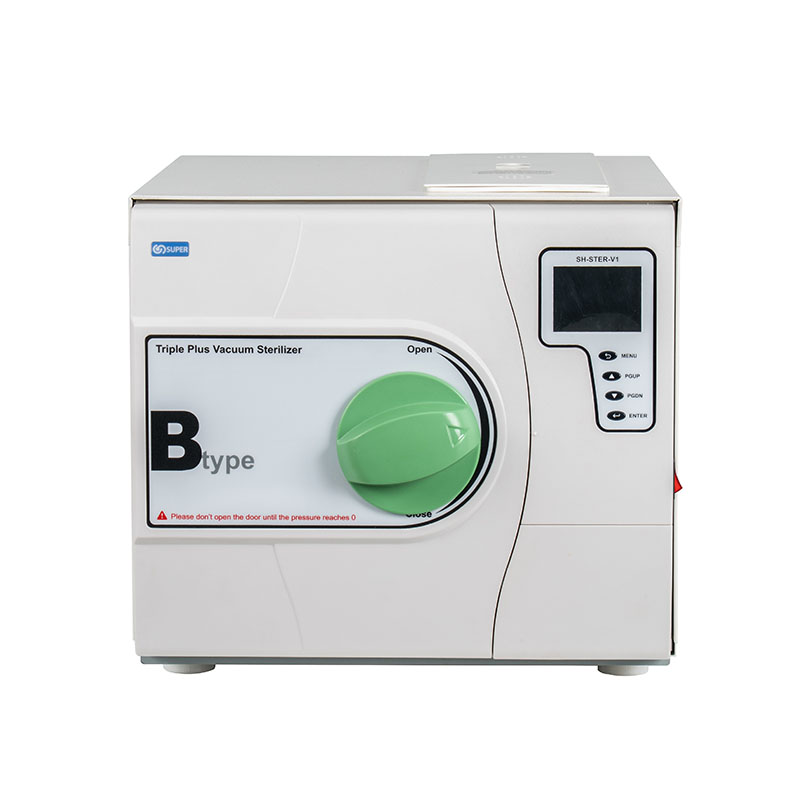
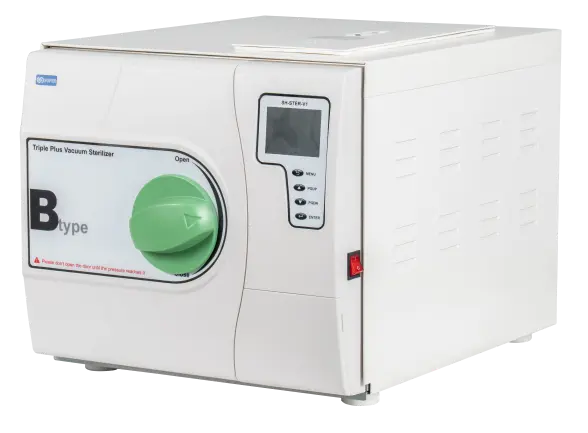
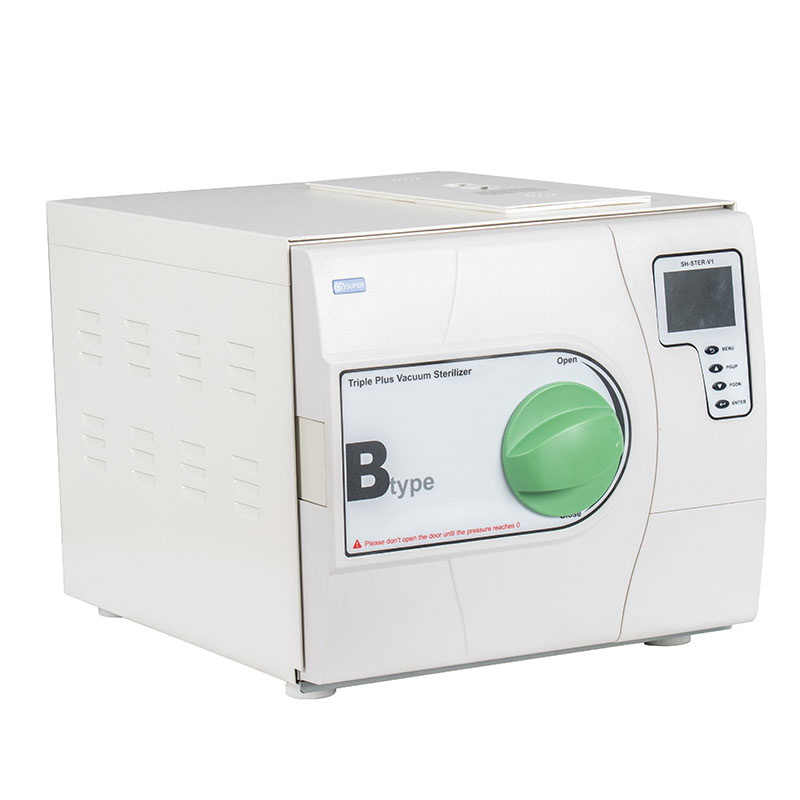
- Class B Autoclaves: Most advanced type, capable of sterilizing all instrument types including hollow, porous, and wrapped items.
Among these, Class B autoclaves are widely used in modern dental clinics due to their versatility and compliance with strict sterilization standards.
Key Features That Matter in a Dental Autoclave
When selecting a dental autoclave, understanding its core features can significantly improve operational efficiency and safety.
- Fast sterilization cycles for improved workflow
- Digital control panel with intuitive interface
- Advanced vacuum system for deep sterilization
- Built-in safety protection systems
- Automatic drying function
- Data recording and traceability features
- Energy-efficient operation
Modern clinics increasingly prefer autoclaves with smart monitoring systems that ensure consistent sterilization results and reduce human error.
Common Problems and Practical Solutions
Despite their reliability, dental autoclaves may present operational challenges. Understanding these issues helps clinics maintain consistent sterilization quality.
- Incomplete sterilization: Often caused by improper loading. Solution: ensure proper spacing of instruments.
- Moist instruments after cycle: May result from insufficient drying time. Solution: extend drying phase or check vacuum system.
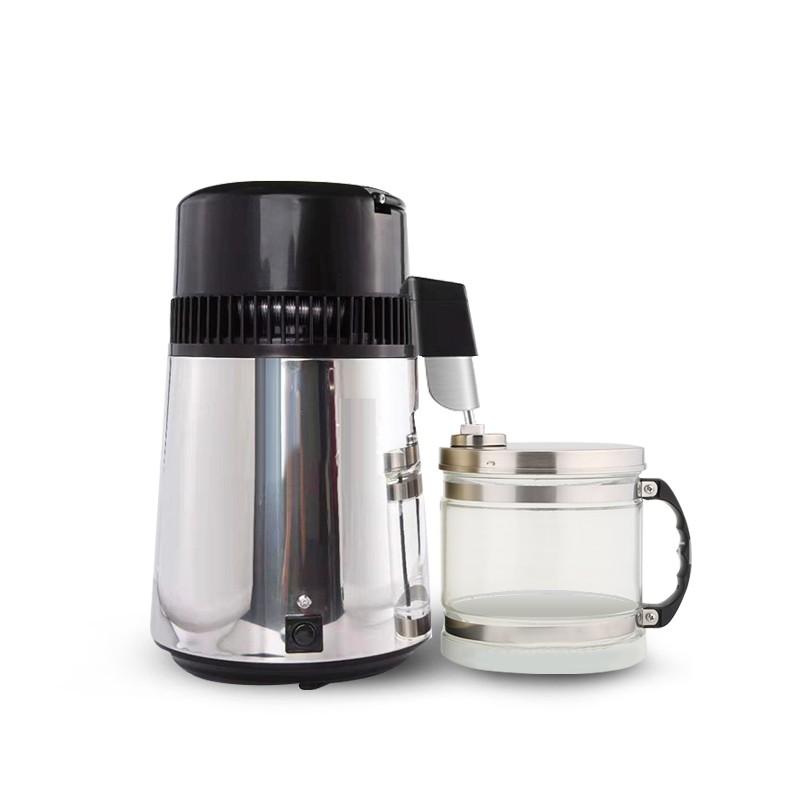
- Frequent error alerts: Usually related to sensor or water quality issues. Solution: use distilled water and perform regular maintenance.
- Long cycle times: May indicate outdated equipment. Solution: upgrade to modern fast-cycle autoclaves.
Addressing these issues early ensures uninterrupted clinical workflow and maintains infection control standards.
Maintenance and Safety Guidelines
Proper maintenance is essential to extend the lifespan of a dental autoclave and ensure consistent sterilization performance.
- Clean chamber regularly to remove residue buildup
- Use only distilled or deionized water
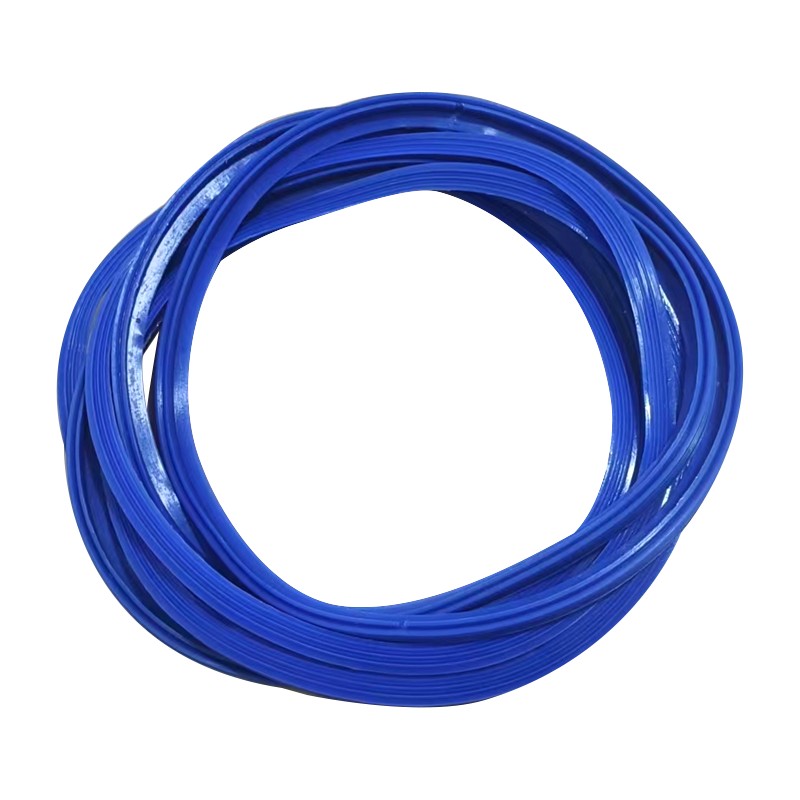
- Inspect door seals and gaskets periodically
- Run routine self-cleaning cycles
- Schedule professional servicing at recommended intervals
Following these guidelines reduces breakdown risks and ensures long-term operational stability.
Applications in Dental and Medical Fields
Dental autoclaves are widely used beyond dental clinics. Their application extends to multiple medical and laboratory environments.
- Dental clinics and orthodontic centers
- Hospitals and surgical units
- Laboratories and research institutions
- Veterinary clinics
- Cosmetic and aesthetic treatment centers
In all these environments, sterilization plays a critical role in preventing infection and ensuring patient safety.
Buying Guide for Dental Clinics
Choosing the right dental autoclave requires careful evaluation of clinical needs and technical specifications.
- Evaluate daily instrument load capacity
- Check compliance with international sterilization standards
- Consider cycle speed and efficiency
- Assess ease of operation and user interface
- Review after-sales service and technical support
- Compare energy consumption levels
A well-chosen autoclave not only improves sterilization quality but also enhances overall clinic productivity.
Frequently Asked Questions (FAQ)
Q1: How long does a dental autoclave cycle take?
A typical cycle ranges from 20 to 60 minutes depending on load type and sterilization settings.
Q2: Can all dental instruments be sterilized in an autoclave?
Most metal and heat-resistant instruments can be sterilized, but heat-sensitive materials require alternative methods.
Q3: Why is vacuum important in a dental autoclave?
Vacuum removes air pockets, ensuring steam penetrates all instrument surfaces effectively.
Q4: How often should maintenance be performed?
Basic cleaning should be done daily, with professional servicing recommended every 6–12 months.
Q5: What type of water should be used?
Distilled or deionized water is recommended to prevent mineral buildup and machine damage.
Conclusion and Professional Recommendation
A dental autoclave is more than just a sterilization device—it is a critical safeguard for patient safety and clinical efficiency. By ensuring complete elimination of pathogens, it plays a central role in modern dental care environments.
Selecting a high-quality autoclave, maintaining it properly, and understanding its operational principles can significantly enhance workflow efficiency and infection control outcomes in any dental practice.
For clinics and distributors seeking reliable sterilization solutions, Ningbo BestMedical Equipment Co., Ltd. provides professional-grade dental autoclaves designed for stability, safety, and long-term performance.
If you are looking for advanced sterilization solutions tailored to your clinic’s needs, contact us today to explore our full range of dental autoclave equipment and receive professional support from our technical team.
Related News
- How to avoid frequent chamber failures for your Class-B dental autoclave? Key points of reliable stainless-steel chamber selection
- Looking for a High-performance Class B Autoclave for Your Dental Practice?
- Can ultrasonic cleaners satisfy cross‑market decontamination audit demands?
- How Can Standardized Class B Dental Autoclave Inner Chamber Solve Sterilizer Leakage & Clinic Downtime Issues?
- How Does a Fast Cycle Dental Autoclave Improve Sterilization Efficiency?
- Why Is a Dedicated Stainless Steel Water Distiller Essential for Dental Autoclaves?
Leave me a message