
How Can Standardized Class B Dental Autoclave Inner Chamber Solve Sterilizer Leakage & Clinic Downtime Issues?
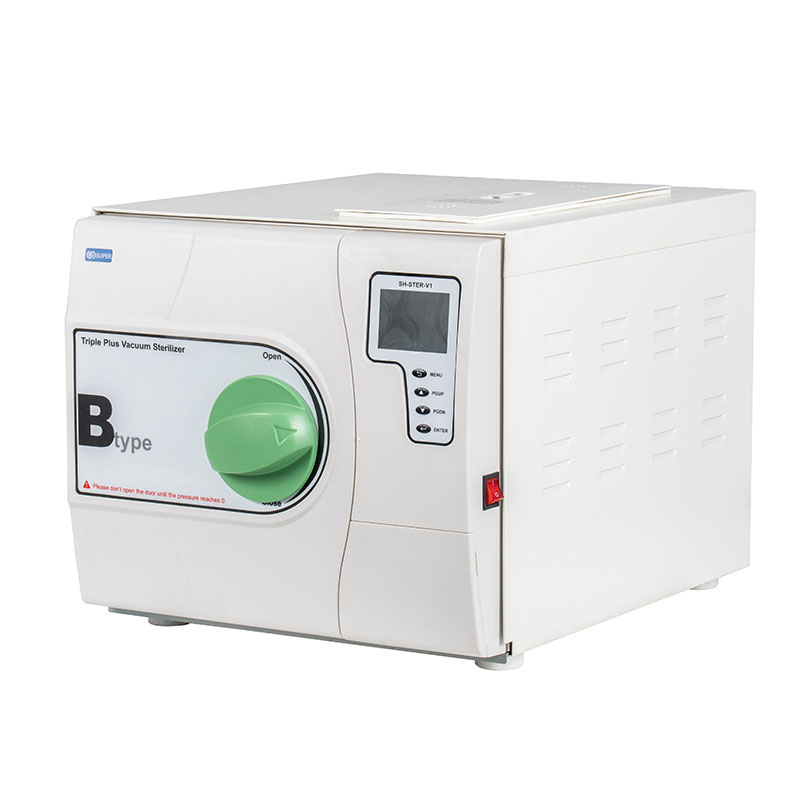
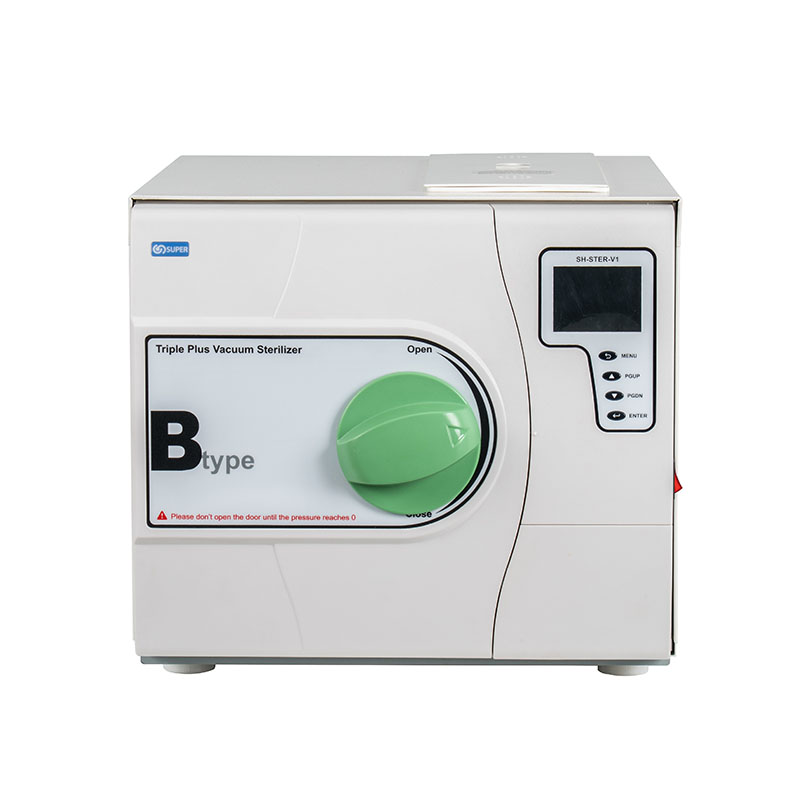
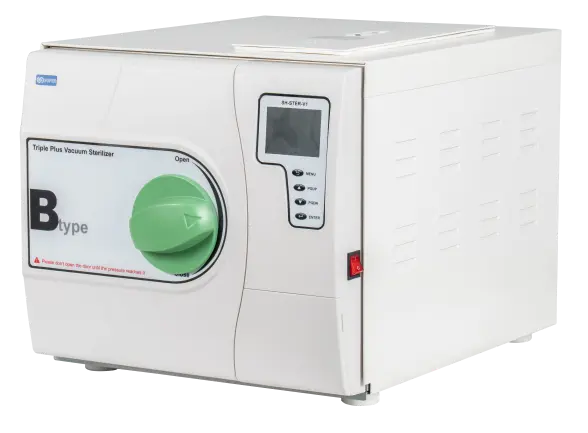
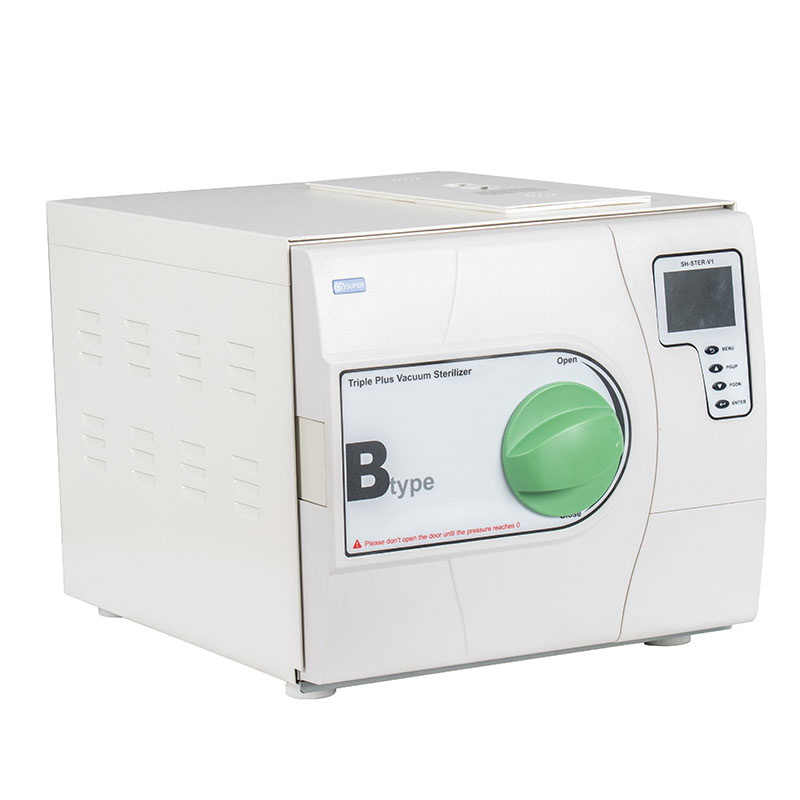
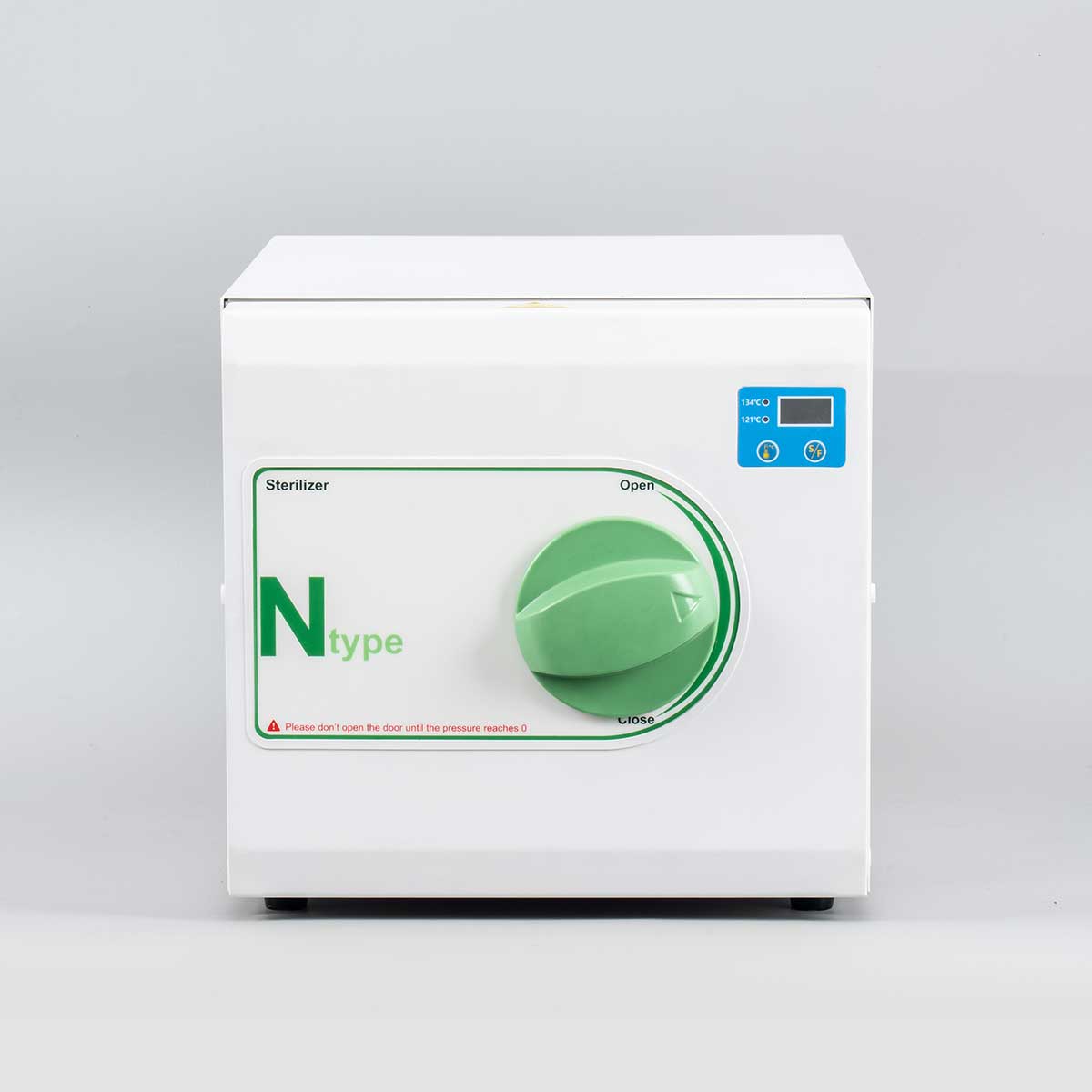
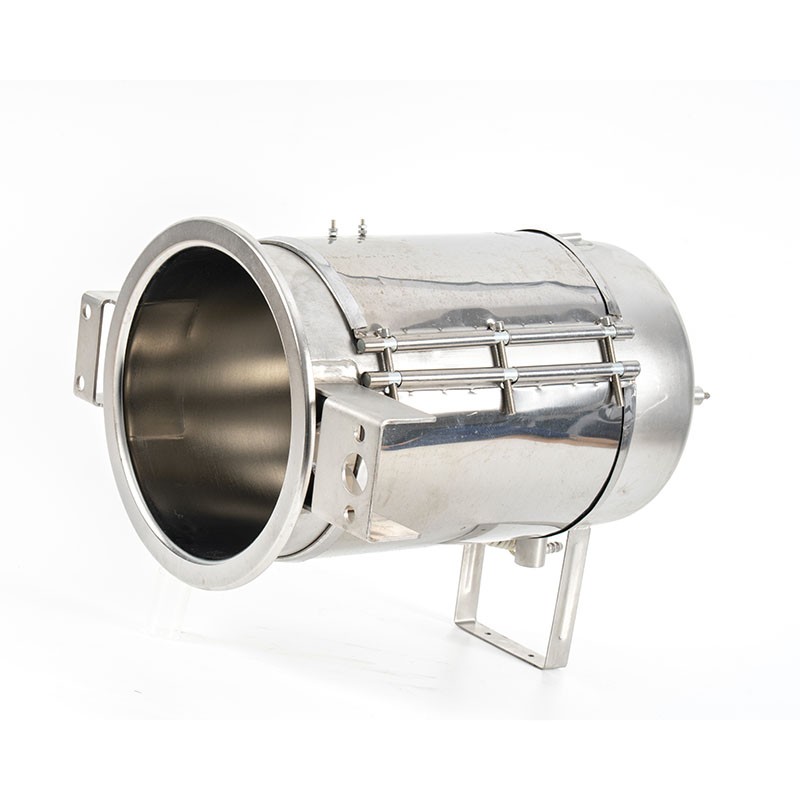
Dental clinics, dental schools and small medical labs rely heavily on Class B bench-top autoclaves for daily instrument sterilization. Many facilities face recurring equipment breakdowns caused by aged original inner chambers: welding seam corrosion, steam leakage, uneven pressure bearing and difficult daily cleaning all disrupt sterilization workflows. Once the liner fails, clinics have to pause instrument disinfection, delay patient appointments and pay expensive professional maintenance fees. BestMedical, a professional medical spare parts manufacturer, develops fully integrated stainless steel inner chambers tailored for Class B autoclaves, resolving long-term liner failure risks through one-piece stretch molding, medical-grade raw materials and full EN13060 compliant production standards.
1. One-piece stretch molding eliminates welding seam corrosion and hidden steam leakage risks
Most low-cost replacement liners adopt segmented welding craft, and the welding joints gradually corrode under long-term circulation of 134°C high-temperature steam, leading to pinhole leakage after several months of operation. The inner chamber produced by BestMedical abandons splicing welding and adopts integral hydraulic stretch forming. There is no seam inside the cavity, which fundamentally removes the weakest corrosion-prone position of conventional liners. Uniform wall thickness ensures stable pressure bearing during vacuum and high-pressure sterilization cycles, matching the full vacuum working mode required by Class B sterilizers. After edge chamfering and mirror polishing, the liner fits tightly with original sealing rings without gaps, maintaining complete airtightness during repeated high-pressure cycles and fully complying with European EN13060 sterilizer safety standards.
2. Food-grade stainless steel adapts long-term high-temperature steam circulation without scaling or rusting
Tap water residue, disinfectant vapor and high-temperature steam will cause mineral scale and surface oxidation on ordinary iron or inferior stainless steel liners. Scale accumulation blocks uniform steam circulation, resulting in inconsistent sterilization effects on hollow dental handpieces and implant tools. This autoclave inner chamber uses certified food-grade stainless steel sheet as raw material, which passes multi-index anti-corrosion and high-temperature resistance testing before production. The smooth mirror inner wall is hard to adhere to mineral deposits and organic residues; daily wiping with neutral detergent can easily remove stains, avoiding residual bacteria breeding dead corners. Even under years of continuous sterilization cycles, the cavity will not deform, rust or form thick scale layers that affect sterilization efficiency.
3. 1:1 standardized dimension design realizes direct plug-and-play replacement without equipment modification
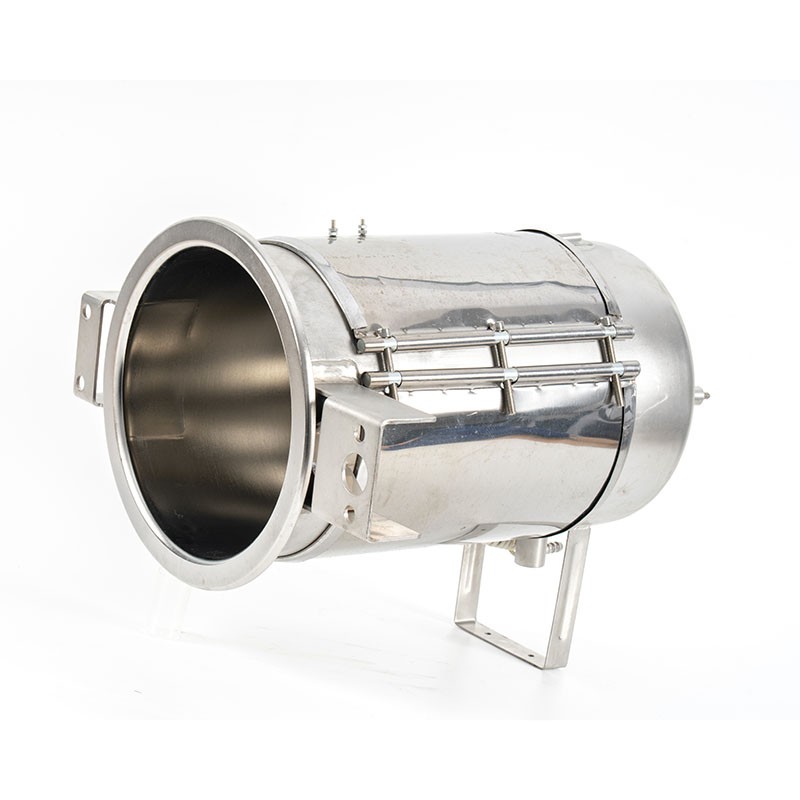
Many aftermarket autoclave liners have irregular dimensional tolerances, requiring cutting, filling or gasket adjustment during installation, which extends maintenance time and may damage the original pressure-bearing structure of the sterilizer. BestMedical designs each liner strictly according to original factory drawing parameters, covering mainstream 18L and 23L Class B bench autoclave models. All diameter, depth, edge height and assembly positioning dimensions keep consistent with OEM spare parts. Clinics only need ordinary hand tools to finish disassembly and replacement, without inviting professional maintenance engineers. After installation, the sterilizer’s vacuum, temperature and pressure parameters do not need secondary calibration, and the original sterilization cycle performance can be fully restored immediately.
4. Full-process factory inspection guarantees consistent pressure resistance and sterilization compatibility
Unqualified liners without factory pressure testing may deform suddenly under high pressure, triggering equipment safety interlocks and even safety hazards. Every batch of BestMedical inner chambers goes through a complete multi-stage inspection flow. Raw material composition and mechanical performance are verified first; CNC dimensional monitoring controls micron-level tolerance during processing; finished products undergo simulated high-pressure and vacuum cycle testing to check deformation and sealing performance. Only products that pass all test items are issued inspection certificates before delivery. The standardized quality control system ensures each replacement liner can steadily withstand the alternating pressure changes of Class B fractionated vacuum sterilization, eliminating hidden safety hazards for clinical sterilization work.
5. Factory direct stock supply shortens emergency maintenance waiting time for dental facilities
When the original liner suddenly leaks or cracks, clinics that purchase spare parts from middlemen often face long delivery cycles, resulting in days of suspended sterilization work. BestMedical maintains sufficient standardized liner inventory for mainstream Class B autoclave models, supporting single-piece retail for individual clinics and bulk wholesale for dental chain groups. Orders can be shipped rapidly after confirmation to respond to emergency replacement demands. Factory direct sales remove intermediate markup links, lowering the long-term equipment maintenance expenditure of dental institutions. All spare parts come with official one-year warranty covering non-human-induced deformation and leakage quality problems.
6. Wide application scope covers full dental sterilization maintenance and renovation scenarios
This Class B autoclave inner chamber serves as universal core replacement spare parts for multiple medical scenarios. Independent dental clinics can keep one set as backup to cope with sudden liner failure during peak patient hours; dental schools and laboratory training rooms regularly replace aging liners to maintain stable teaching sterilization equipment; medical equipment maintenance merchants purchase in bulk to support after-sales repair services for old sterilizers. It is also applicable to cavity renovation of outdated Class B autoclaves, helping facilities restore qualified sterilization performance without purchasing brand-new expensive sterilization machines, greatly cutting clinic equipment update costs.
Related News
- How to avoid frequent chamber failures for your Class-B dental autoclave? Key points of reliable stainless-steel chamber selection
- Looking for a High-performance Class B Autoclave for Your Dental Practice?
- Can ultrasonic cleaners satisfy cross‑market decontamination audit demands?
- How Does a Fast Cycle Dental Autoclave Improve Sterilization Efficiency?
- Why Is a Dedicated Stainless Steel Water Distiller Essential for Dental Autoclaves?
- How to Choose a Cost-effective Dental Handpiece Cleaning & Oiling Machine?
Leave me a message