

Dental sterilizer heating coil
A high-quality oral disinfection equipment heating loop is central to effective instrument reprocessing in modern clinics. The dentistry autoclave thermal ring component we engineer delivers rapid, uniform heat transfer to achieve consistent sterilization temperatures. Each dental steam sterilizer heating collar is precision-built from industrial-grade materials that resist scaling and corrosion under repeated steam exposure. As a reliable clinic dental sterilization heating ring element, it integrates seamlessly with major autoclave brands and delivers long service life under heavy daily workloads.
The dental sterilizer heating coil stands out for its advanced nickel-chromium resistance wire and high-purity magnesium oxide insulation, which together ensure stable thermal output and electrical safety. Designed to fit a broad range of chamber geometries, this coil maintains precise temperature control within ±1°C of the setpoint, drastically reducing cold spots and the risk of incomplete sterilization. Its compact footprint and direct mounting compatibility allow for straightforward retrofitting, minimizing downtime during replacement cycles. The robust construction also resists mechanical vibration and thermal fatigue, making it suitable for both benchtop and large-capacity sterilizers in busy dental practices.
Key Technical Parameters
- Power rating: 800W – 2200W (model-dependent, configurable)
- Voltage: 110V / 220V AC, 50/60 Hz
- Resistance tolerance: ±5% at ambient temperature
- Insulation resistance: > 500 MΩ at 500 VDC (cold state)
- Dielectric strength: 1500V AC, 1 minute, no flashover
- Sheath material: Incoloy 800 / 316L stainless steel
- Terminal type: Faston tabs, screw terminals, or custom connectors
- Operating temperature range: Up to 180°C sheathing surface (saturated steam environment)
- Watt density: Optimized 8–12 W/cm² for steam generation efficiency
- Certifications: UL, CE, RoHS compliant; ISO 13485 quality management
Performance Specifications
| Parameter | Standard Model | Heavy-Duty Model |
|---|---|---|
| Maximum wattage | 1200W | 2200W |
| Sheath diameter | 8.5 mm | 10.0 mm |
| Coil outer diameter | 95 mm | 120 mm |
| Coil height | 85 mm | 105 mm |
| Cold-lead length | 150 mm | 200 mm |
| Response time to 134°C | < 6 minutes | < 8 minutes |
| Life cycles (estimated) | 8,000 cycles | 10,000 cycles |
| Weight | 380 g | 520 g |
Each heating loop undergoes a multi-stage burn-in test and thermal imaging inspection before shipment. The element is vacuum-annealed to relieve residual stresses and ensure consistent resistance across the coiled section. All electrical terminations are sealed with high-temperature silicone or PTFE to block moisture ingress, a frequent cause of premature failure in generic replacements.
Related Products
Hot Products
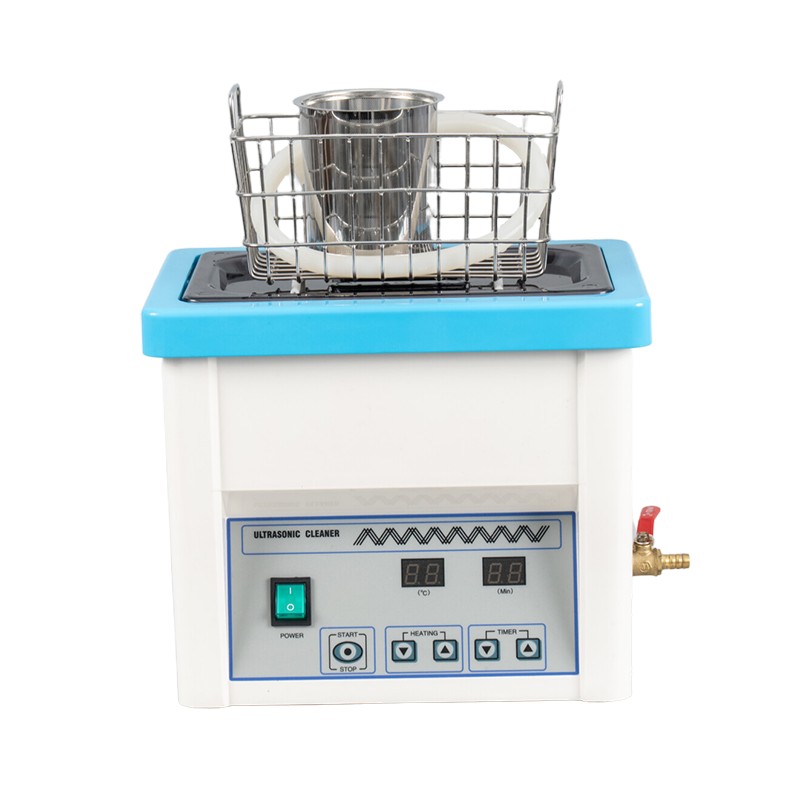
Dental instrument ultrasonic cleaner
The Dental instrument ultrasonic cleaner produced by BestMedical, a manufacturer, is mainly used for the meticulous cleaning of dental diagnostic equipment. It relies on the principle of high-frequency ultrasonic vibration to achieve deep cleaning and efficient sterilization of various metal dental instruments and dental diagnostic tools. The equipment is equipped with precise temperature control and timing functions, and the operation is intuitive and controllable, meeting the cleaning needs of different instruments. The inner container of the equipment is made of 304 stainless steel, which is corrosion-resistant and not prone to rust, making daily cleaning and maintenance very convenient.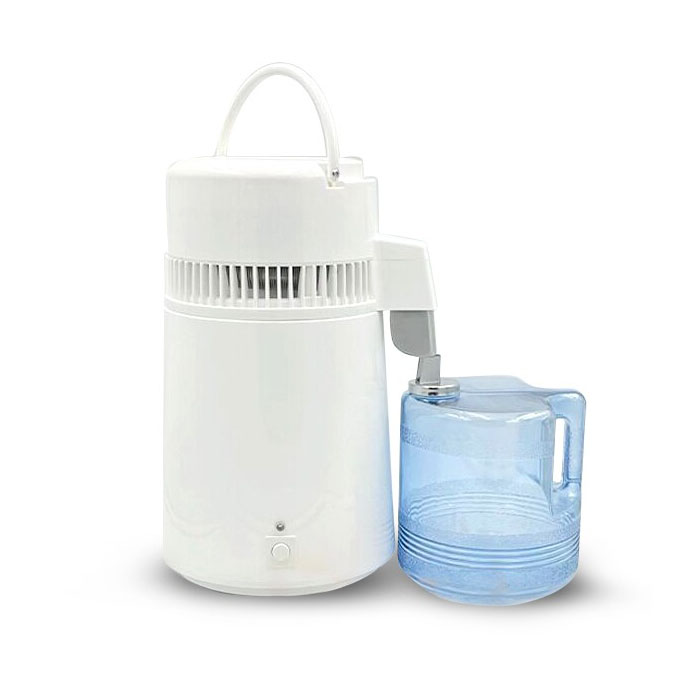
Dental autoclave water distiller
This Dental autoclave water distiller is a professional pure water preparation equipment specially designed for dental clinics and dental hospitals. It uses food-grade 304 stainless steel liner and ABS environmentally friendly plastic casing. It has the advantages of automatic power-off protection against dry burning, efficient distillation, and multi-scenario adaptation. The distillation capacity can reach 1 liter per hour. It can stably produce high-purity distilled water that meets dental sterilization requirements. It is developed by BestMedical, a Chinese professional medical sterilization equipment manufacturer. Provided for supply and in stock, it is a standardized equipment for preparing pure water for dental sterilizers.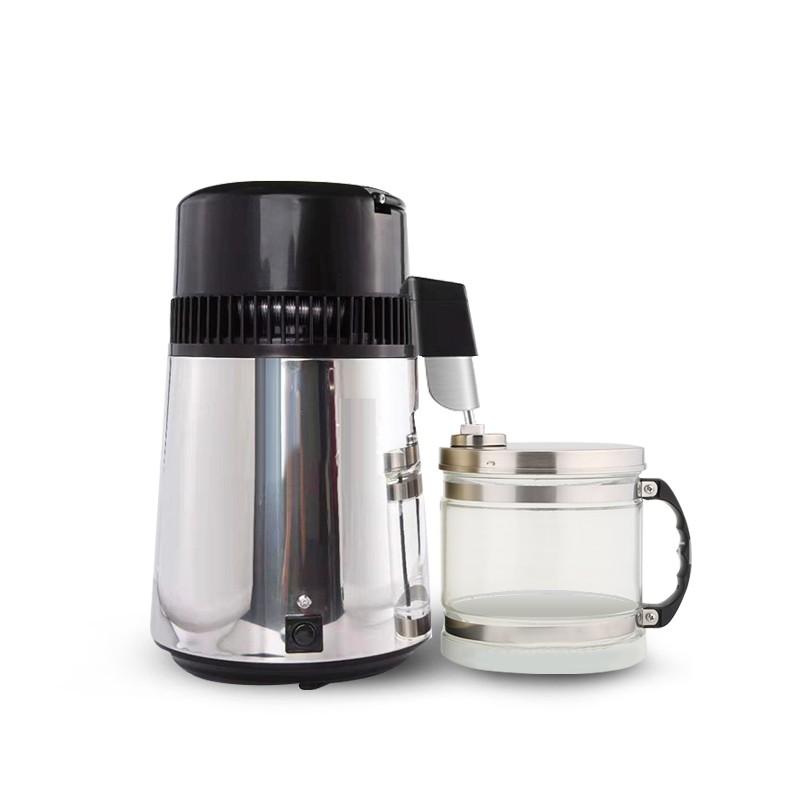
Stainless steel dental water distiller
This Stainless steel dental water distiller is a high-end pure water preparation equipment specially built for dental clinics. The entire machine is made of 304 food-grade stainless steel. It has the advantages of efficient distillation, anti-dry boil protection, durability and anti-wear, and multi-scenario adaptability. The distillation capacity is 1 liter per hour, and it can stably produce high-purity distilled water that meets dental sterilization requirements. It is supplied by BestMedical, a professional medical sterilization equipment manufacturer in China. It is in stock. It is the high-end preferred equipment for pure water preparation for dental sterilizers.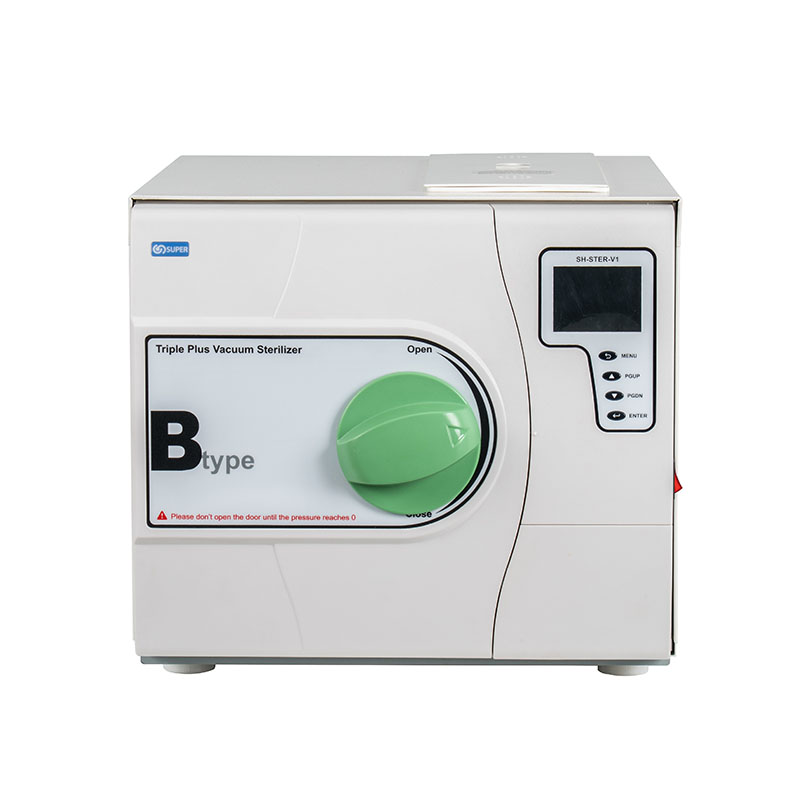
Class B dental autoclave
This China Class B Dental Autoclave Product Details Page by BestMedical supplier is the preferred equipment for high-temperature sterilization in dental clinics, laboratories and medical institutions. The whole machine strictly complies with European Class B sterilization standards and integrates three-pulse pre-vacuum and vacuum drying functions, which can meet the high-standard sterilization needs of various complex dental instruments such as hollow, porous, and inner-lumen pipes.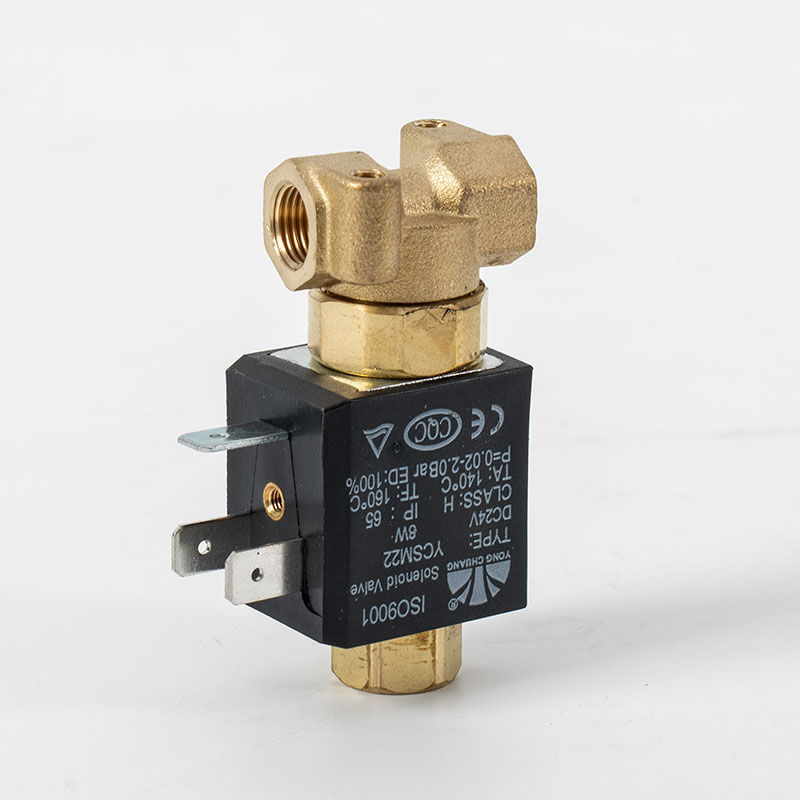
Dental autoclave normally closed solenoid valve
This Dental autoclave normally closed solenoid valve is a crucial component in the control system of the dental sterilizer. It is mainly responsible for the on-off control of steam and water channels within the equipment, and is an important accessory that ensures the stable operation of the sterilization process. The product is designed for professional working conditions and has excellent high-temperature resistance. The sealing structure is tight and durable, with a quick response during opening and closing, and is stable and reliable during long-term operation. It can be used with various desktop dental sterilizers. This solenoid valve is manufactured by the domestic professional medical sterilization equipment manufacturer Best Medical, with stable quality and strong versatility. It is a standard replacement part for dental steam sterilizers.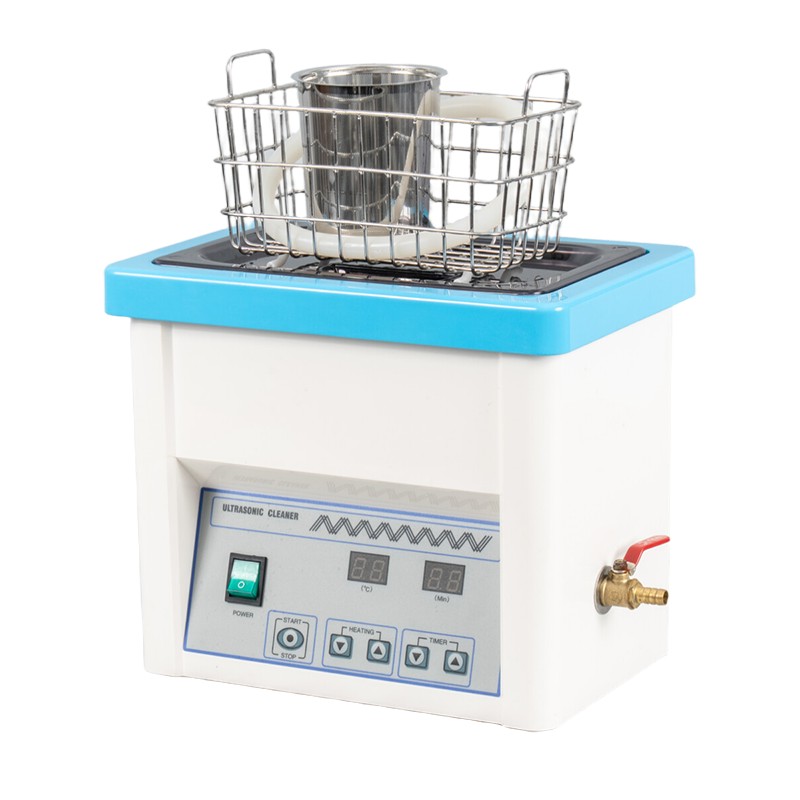
Dental handpiece ultrasonic cleaner
This Dental handpiece ultrasonic cleaner is a special deep cleaning equipment for dental handpieces. It uses high-frequency ultrasonic oscillation technology to carry out deep cleaning and efficient decontamination of the internal pipes, bearings and gaps of dental handpieces. It is equipped with precise temperature control and timing systems. The 304 stainless steel inner tank is corrosion-resistant and easy to clean. It is supplied by BestMedical, a professional medical sterilization equipment manufacturer in China. It is in stock. It is a special equipment for cleaning and maintenance of dental handpieces in dental clinics and oral hospitals.
- Related Blog
- Reviews
