
Why Is the Autoclave Inner Chamber Tank Critical for Sterilization Performance?
The autoclave inner chamber tank is one of the most important components in modern sterilization equipment. Whether used in hospitals, laboratories, pharmaceutical production, or dental clinics, the quality of the chamber tank directly affects sterilization efficiency, equipment lifespan, safety, and operational reliability. This article explores everything buyers and users need to know about autoclave inner chamber tanks, including materials, structure, maintenance, performance standards, manufacturing technology, common problems, and purchasing considerations.
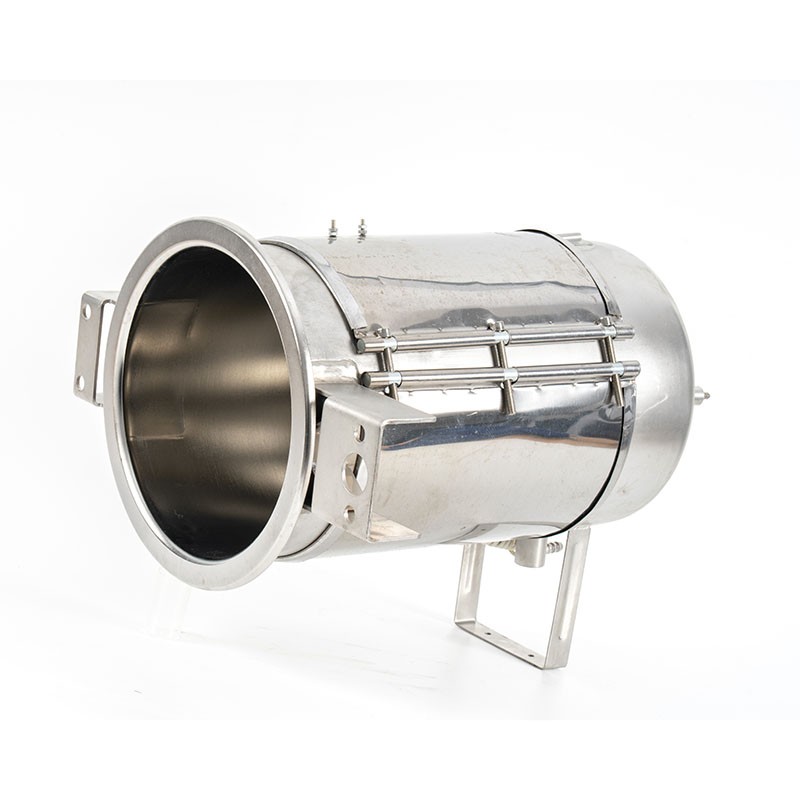
Table of Contents
- 1. What Is an Autoclave Inner Chamber Tank?
- 2. Why Does the Chamber Tank Matter?
- 3. Which Materials Are Commonly Used?
- 4. How Is the Chamber Tank Designed?
- 5. Where Are Autoclave Chamber Tanks Used?
- 6. How Are Chamber Tanks Manufactured?
- 7. What Factors Affect Sterilization Performance?
- 8. How Can You Maintain an Inner Chamber Tank?
- 9. What Are the Most Common Problems?
- 10. Stainless Steel Comparison Table
- 11. How to Choose the Right Chamber Tank?
- 12. Why Is Safety Certification Important?
- 13. Future Trends in Autoclave Chamber Design
- 14. Frequently Asked Questions
- 15. Conclusion
1. What Is an Autoclave Inner Chamber Tank?
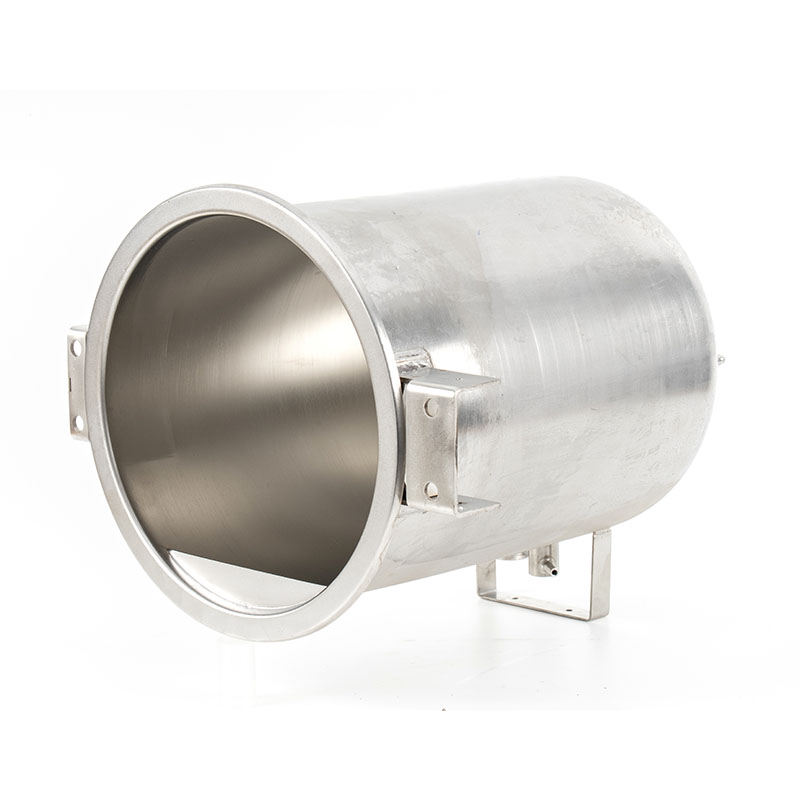
An autoclave inner chamber tank is the pressure-resistant container inside an autoclave where sterilization occurs. It holds medical instruments, laboratory tools, pharmaceutical materials, or industrial products while high-temperature steam sterilization is performed under controlled pressure.
The chamber tank is designed to withstand repeated cycles of:
- High pressure
- Elevated temperatures
- Steam exposure
- Vacuum environments
- Chemical cleaning agents
Because it operates under extreme conditions, the quality of the chamber tank determines the overall reliability and durability of the autoclave system.
Key Functions of an Autoclave Inner Chamber Tank:
- Maintains sterilization pressure
- Ensures even steam distribution
- Protects internal components
- Supports vacuum operation
- Prevents contamination
- Provides corrosion resistance
2. Why Does the Chamber Tank Matter?
Many buyers focus on the external appearance or control system of an autoclave, but the chamber tank is the actual core of the equipment. A poorly manufactured chamber can cause sterilization failure, steam leakage, corrosion, and expensive downtime.
The chamber influences:
| Factor | Impact |
|---|---|
| Heat Transfer | Affects sterilization consistency |
| Pressure Stability | Ensures safe operation |
| Surface Smoothness | Prevents bacterial retention |
| Corrosion Resistance | Extends service life |
| Structural Strength | Protects against pressure damage |
In medical environments, sterilization failure can create severe safety risks. Therefore, hospitals and laboratories often prioritize chamber quality over cosmetic features.
3. Which Materials Are Commonly Used?
The material of the autoclave inner chamber tank plays a major role in corrosion resistance, heat tolerance, and lifespan.
The most common materials include:
- 304 stainless steel
- 316 stainless steel
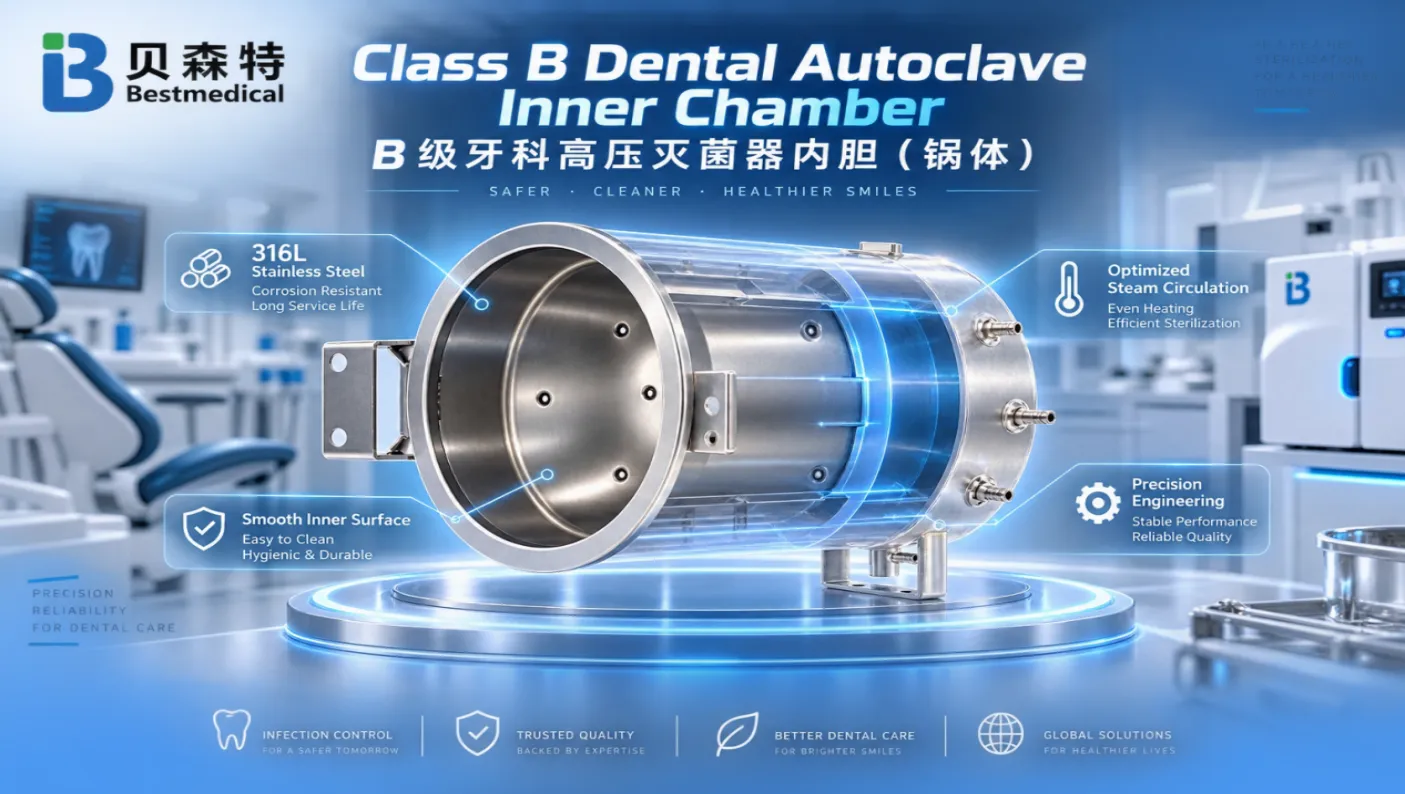
- 316L stainless steel
- Carbon steel with coating
- High-grade pressure vessel steel
304 vs 316 Stainless Steel
| Property | 304 SS | 316 SS |
|---|---|---|
| Corrosion Resistance | Good | Excellent |
| Chemical Resistance | Moderate | High |
| Cost | Lower | Higher |
| Medical Usage | Common | Preferred |
316L stainless steel is especially popular in pharmaceutical and high-purity applications because it provides stronger resistance against chloride corrosion and chemical cleaning agents.
4. How Is the Chamber Tank Designed?
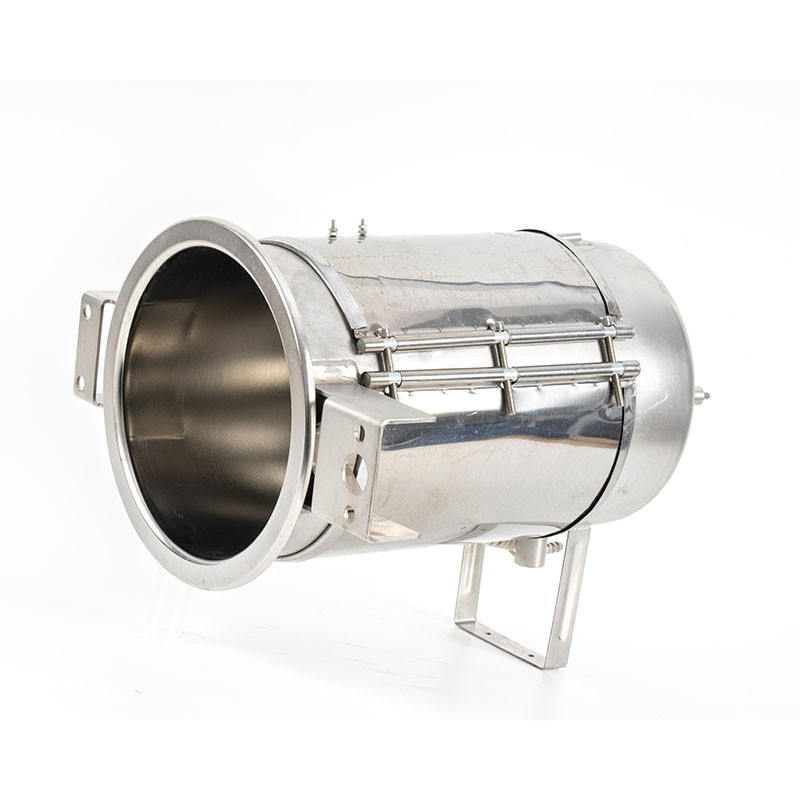
Modern autoclave inner chamber tanks are engineered for optimal steam circulation, pressure management, and sterilization consistency.
Typical structural elements include:
- Cylindrical pressure vessel body
- Reinforced welded seams
- Mirror-polished internal surface
- Steam inlet channels
- Vacuum ports
- Drainage systems
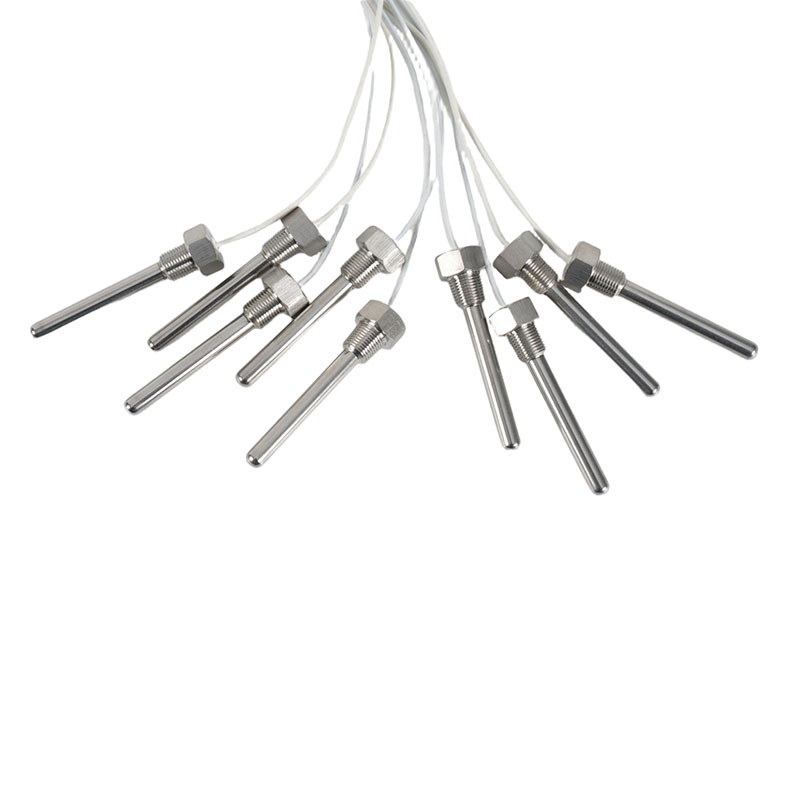
- Temperature sensor interfaces
- Insulation layers
The cylindrical shape helps distribute pressure evenly across the chamber walls. This reduces stress concentration and improves safety during operation.
Important Design Consideration:
A smoother internal surface reduces bacterial attachment and makes cleaning easier. High-end autoclave chambers often feature electro-polished finishes to improve hygiene standards.
5. Where Are Autoclave Chamber Tanks Used?
Autoclave inner chamber tanks are used across multiple industries.
| Industry | Application |
|---|---|
| Hospitals | Surgical instrument sterilization |
| Dental Clinics | Dental equipment disinfection |
| Laboratories | Biohazard waste treatment |
| Pharmaceutical Plants | Sterile manufacturing processes |
| Food Industry | Packaging sterilization |
| Research Centers | Microbiology testing |
6. How Are Chamber Tanks Manufactured?
Manufacturing an autoclave inner chamber tank requires precision engineering and strict quality control.
The production process generally includes:
- Material inspection
- Steel plate cutting
- Rolling and forming
- TIG or plasma welding
- Pressure testing
- Surface polishing
- Leak testing
- Final assembly
Advanced manufacturers use automated welding systems to improve consistency and minimize structural defects.
At Ningbo BestMedical Equipment Co., Ltd., strict manufacturing procedures and quality inspections help ensure durability, corrosion resistance, and long-term sterilization reliability.
Key Manufacturing Technologies
- Automatic argon arc welding
- Mirror polishing technology
- Precision CNC processing
- Pressure resistance verification
- Vacuum sealing inspection
- Ultrasonic weld testing
7. What Factors Affect Sterilization Performance?
The chamber tank directly affects sterilization performance in several ways.
Steam Distribution
Poor chamber design may create cold spots where sterilization temperatures are insufficient.
Pressure Retention
Pressure fluctuations can interrupt sterilization cycles and compromise instrument safety.
Surface Finish
Rough surfaces can trap contaminants and reduce cleaning efficiency.
Drainage Efficiency
Improper drainage may leave water residue inside the chamber, affecting drying performance.
Thermal Uniformity
Consistent heat distribution ensures all instruments receive the same sterilization conditions.
8. How Can You Maintain an Inner Chamber Tank?
Routine maintenance significantly extends the lifespan of the chamber tank.
Maintenance Checklist
- Clean the chamber daily
- Use approved cleaning chemicals
- Inspect weld seams regularly
- Remove mineral deposits
- Check drainage systems
- Monitor pressure performance
- Inspect door sealing areas
- Avoid chloride-containing cleaners
Failure to maintain the chamber properly may result in:
- Corrosion damage
- Steam leakage
- Pressure instability
- Reduced sterilization efficiency
- Shortened equipment lifespan
9. What Are the Most Common Problems?
Even high-quality autoclave chamber tanks can experience issues after years of operation.
| Problem | Possible Cause | Solution |
|---|---|---|
| Rust Spots | Chemical corrosion | Use proper cleaners |
| Steam Leakage | Damaged seals or welds | Repair or replace parts |
| Pressure Loss | Valve malfunction | Inspect pressure system |
| Water Accumulation | Poor drainage | Clean drain lines |
| Surface Pitting | Chloride exposure | Replace damaged areas |
10. Stainless Steel Comparison Table
| Grade | Advantages | Best Use |
|---|---|---|
| 304 | Affordable and durable | General medical use |
| 316 | Superior corrosion resistance | Pharmaceutical sterilization |
| 316L | Low carbon content | High-purity applications |
11. How to Choose the Right Chamber Tank?
Choosing the correct autoclave chamber tank requires evaluating several technical and operational factors.
Important Selection Criteria
- Tank capacity
- Material grade
- Pressure rating
- Surface polishing quality
- Welding reliability
- Sterilization cycle frequency
- Cleaning compatibility
- Certification standards
- Maintenance accessibility
Buyers should also consider:
- Long-term maintenance costs
- Replacement part availability
- Technical support services
- Energy efficiency
- Operational environment
12. Why Is Safety Certification Important?
Autoclave chamber tanks operate under high pressure and temperature conditions, making safety certification extremely important.
Common certifications include:
- CE certification
- ISO quality systems
- Pressure vessel compliance standards
- Medical equipment safety approvals
Certified chamber tanks are typically tested for:
- Pressure resistance
- Leak prevention
- Thermal stability
- Structural integrity
- Material safety
13. Future Trends in Autoclave Chamber Design
As sterilization technology evolves, manufacturers continue improving chamber tank performance.
Future trends include:
- Smarter pressure monitoring systems
- Advanced anti-corrosion coatings
- Improved energy efficiency
- Enhanced thermal insulation
- Automated maintenance alerts
- Lightweight high-strength alloys
- AI-based sterilization optimization
Modern healthcare and pharmaceutical industries increasingly demand highly reliable sterilization systems with minimal downtime and improved operational safety.
14. Frequently Asked Questions
How long does an autoclave inner chamber tank last?
A high-quality stainless steel chamber tank can last 10–20 years with proper maintenance and regular inspection.
Why is stainless steel preferred?
Stainless steel offers excellent corrosion resistance, durability, heat tolerance, and hygienic performance.
Can chamber corrosion affect sterilization?
Yes. Corrosion may create contamination risks, weaken pressure resistance, and reduce sterilization reliability.
What surface finish is best?
Mirror-polished or electro-polished surfaces are preferred because they improve cleanliness and reduce bacterial adhesion.
How often should inspections be performed?
Visual inspections should be conducted regularly, while professional pressure and structural inspections should follow manufacturer recommendations.
15. Conclusion
The autoclave inner chamber tank is the foundation of safe and effective sterilization. Its material quality, structural integrity, pressure resistance, and surface finish directly influence sterilization reliability and equipment lifespan.
Whether used in hospitals, laboratories, pharmaceutical manufacturing, or industrial processing, investing in a high-quality chamber tank helps reduce maintenance costs, improve safety, and ensure consistent sterilization performance.
Ningbo BestMedical Equipment Co., Ltd. focuses on advanced sterilization equipment manufacturing with attention to chamber durability, precision engineering, and long-term operational reliability.
Contact Ningbo BestMedical Equipment Co., Ltd. today to learn more about customized sterilization equipment, technical support, and professional manufacturing services.
Related News
- How to avoid frequent chamber failures for your Class-B dental autoclave? Key points of reliable stainless-steel chamber selection
- Looking for a High-performance Class B Autoclave for Your Dental Practice?
- Can ultrasonic cleaners satisfy cross‑market decontamination audit demands?
- How Can Standardized Class B Dental Autoclave Inner Chamber Solve Sterilizer Leakage & Clinic Downtime Issues?
- How Does a Fast Cycle Dental Autoclave Improve Sterilization Efficiency?
- Why Is a Dedicated Stainless Steel Water Distiller Essential for Dental Autoclaves?
Leave me a message