

Dental disinfection furnace heating circular part
Dental Disinfection Furnace Heating Circular Part – Engineered Thermal Stability for Sterilization Cycles
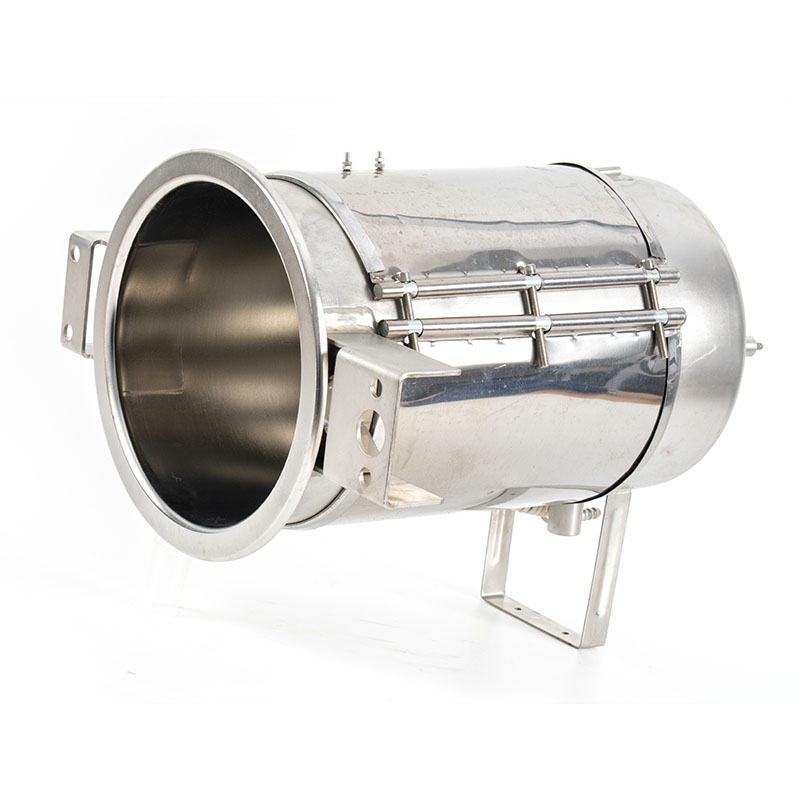
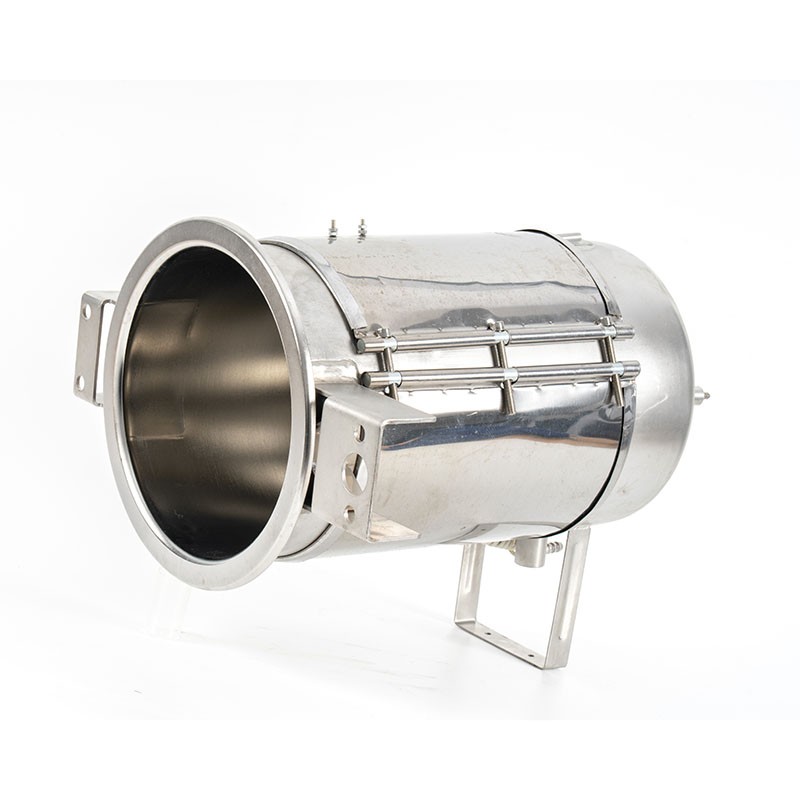
Precision thermal performance in dental clinics hinges on the reliability of components like the Dental sterilizer heating coil, which directly influences cycle accuracy. Our heating circular part integrates seamlessly with the Oral disinfection equipment heating loop architecture, ensuring uniform heat distribution across the chamber. Manufactured to match or exceed OEM specifications, the unit performs as a drop-in replacement for any Dentistry autoclave thermal ring component, eliminating cold spots that compromise sterilization logs. As a high-durability Dental steam sterilizer heating collar, it withstands repeated thermal cycling without warping or resistance drift, keeping maintenance intervals longer and operating costs predictable.
The dental disinfection furnace heating circular part employs a bespoke resistive alloy wound on a machined ceramic core, encased in medical-grade stainless steel shielding. This construction delivers rapid heat-up and cool-down phases while resisting scale build-up, even in areas with moderately hard water. Because the circular geometry wraps around the sterilization vessel with a consistent air gap, it prevents hotspots that could damage delicate instruments such as periodontal probes and endodontic files. During autoclave validation, the dental disinfection furnace heating circular part consistently holds temperature setpoints within ±0.5°C, which helps clinics meet CDC and ADA sterilization assurance guidelines without needing frequent recalibration or manual overrides.
Technical Specifications and Materials
- Core substrate: 95% alumina ceramic with a thermal conductivity of 24 W/m·K
- Resistive element: NiCr 80/20 alloy wound in a helical pattern, rated for continuous operation up to 400°C
- Sheath material: 316L stainless steel, biocompatible and passivated for corrosion resistance
- Insulation layer: High-purity MgO compacted at 2300 PSI, dielectric strength exceeding 1500 VAC
- Connection terminals: Threaded M4 studs with anti-rotation flats and silver-plated copper washers
- Sealing: Viton O-rings compatible with steam, hydrogen peroxide plasma, and common disinfectants
- Thermal cutout: Integrated bimetallic disc safety switch opens at 420°C, resets automatically
| Parameter | Value / Range | Tolerance |
|---|---|---|
| Inner diameter | 85 mm – 220 mm (customizable) | ±0.15 mm |
| Rated voltage | 110 V, 220 V, 230 V AC | ±5% |
| Power output | 800 W – 3500 W | ±3% at rated voltage |
| Operating temperature | 100°C – 380°C | PID control suitable for 121°C, 134°C cycles |
| Heating element resistance | 18 Ω – 72 Ω (model-dependent) | ±2% cold resistance |
| Dielectric strength | ≥ 1800 VAC for 1 minute | Leakage current ≤ 0.5 mA |
| Cycle durability | \u003e 15,000 thermal cycles | Based on accelerated life testing |
| Compliance | IEC 61010-1, RoHS, REACH | Full material traceability |
Every dental disinfection furnace heating circular part undergoes a multi-stage inspection routine. Cold resistance is measured against a traceable reference coil, and hot resistance is validated at three temperature plateaus using a calibrated IR camera to confirm isothermal uniformity. The MgO insulation layer is electrically tested at 1800 VAC to assure no breakdown between the resistive wire and the outer sheath. Additionally, the stainless steel housing receives a helium leak test at 4 bar to verify the hermetic seal around the terminal area. These steps eliminate early-life failures and ensure the component maintains its electrical parameters even after thousands of autoclave cycles. For clinics running Class B or Class S sterilizers, the part supports fast dynamic pressure ramps without inducing thermal shock cracks, a common failure mode in generic coils that lack the ceramic reinforcement found in this design.
Installation compatibility extends to widely used dental sterilizer models, and the heating circular part is available with either factory-crimped leads or screw-terminal blocks. The unit’s dimensional stability is maintained through a post-winding annealing process that stress-relieves the NiCr wire, preventing micro-cracks that elevate resistance over time. Raw material traceability sheets are supplied with each shipment, documenting the heat number and composition of the stainless steel, ceramic, and resistance alloy. This level of documentation is critical for clinics pursuing accreditation where sterilization efficacy must be demonstrable to inspectors. Because the heating element’s watt density is deliberately held below 12 W/cm², the risk of film boiling and localized scaling is minimized, which directly reduces downtime caused by cleaning or premature replacement.
When specifying a dental disinfection furnace heating circular part, facilities often overlook the impact of mounting tolerance on heat transfer. Our manufacturing process controls the circularity to within 0.10 mm TIR (total indicator runout), so the part mates concentrically with the chamber wall. This reduces the need for shimming or high-temperature adhesive fillers that can degrade and release volatiles into the steam path. An optional PTFE-coated sensor pocket is also available for clinics that use aggressive chemical indicators, providing additional protection against acidic residues without affecting thermal response time. These design choices reflect over two decades of field feedback, translating into a component that delivers consistent, documented sterilization performance in busy multi-operatory practices.
Related Products
Hot Products
Dental instrument ultrasonic cleaner
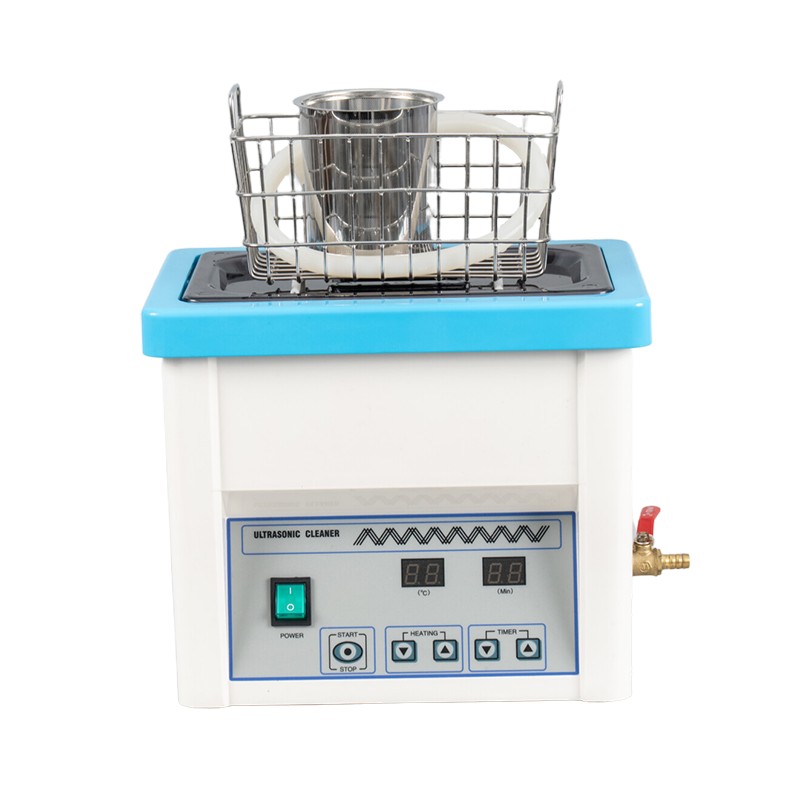
The Dental instrument ultrasonic cleaner produced by BestMedical, a manufacturer, is mainly used for the meticulous cleaning of dental diagnostic equipment. It relies on the principle of high-frequency ultrasonic vibration to achieve deep cleaning and efficient sterilization of various metal dental instruments and dental diagnostic tools. The equipment is equipped with precise temperature control and timing functions, and the operation is intuitive and controllable, meeting the cleaning needs of different instruments. The inner container of the equipment is made of 304 stainless steel, which is corrosion-resistant and not prone to rust, making daily cleaning and maintenance very convenient.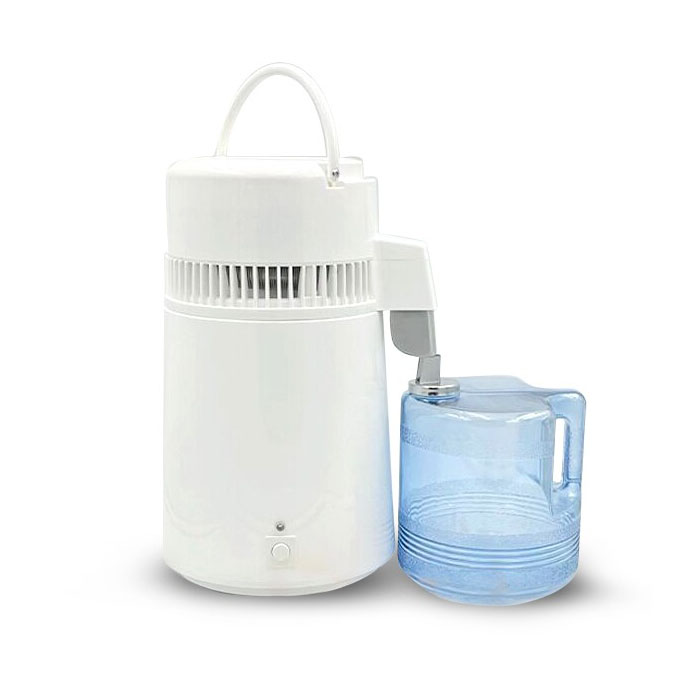
Dental autoclave water distiller
This Dental autoclave water distiller is a professional pure water preparation equipment specially designed for dental clinics and dental hospitals. It uses food-grade 304 stainless steel liner and ABS environmentally friendly plastic casing. It has the advantages of automatic power-off protection against dry burning, efficient distillation, and multi-scenario adaptation. The distillation capacity can reach 1 liter per hour. It can stably produce high-purity distilled water that meets dental sterilization requirements. It is developed by BestMedical, a Chinese professional medical sterilization equipment manufacturer. Provided for supply and in stock, it is a standardized equipment for preparing pure water for dental sterilizers.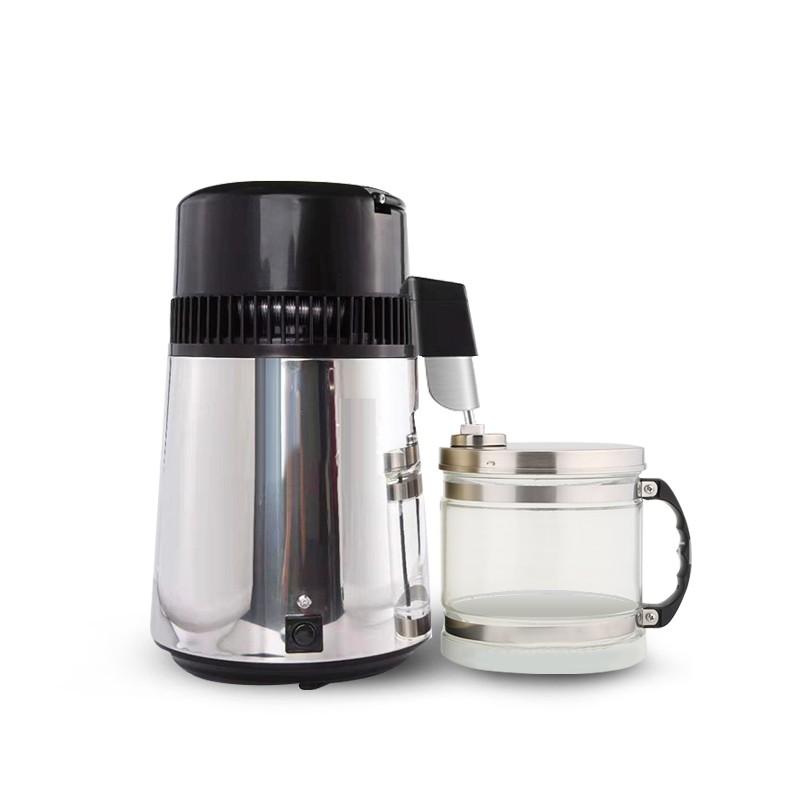
Stainless steel dental water distiller
This Stainless steel dental water distiller is a high-end pure water preparation equipment specially built for dental clinics. The entire machine is made of 304 food-grade stainless steel. It has the advantages of efficient distillation, anti-dry boil protection, durability and anti-wear, and multi-scenario adaptability. The distillation capacity is 1 liter per hour, and it can stably produce high-purity distilled water that meets dental sterilization requirements. It is supplied by BestMedical, a professional medical sterilization equipment manufacturer in China. It is in stock. It is the high-end preferred equipment for pure water preparation for dental sterilizers.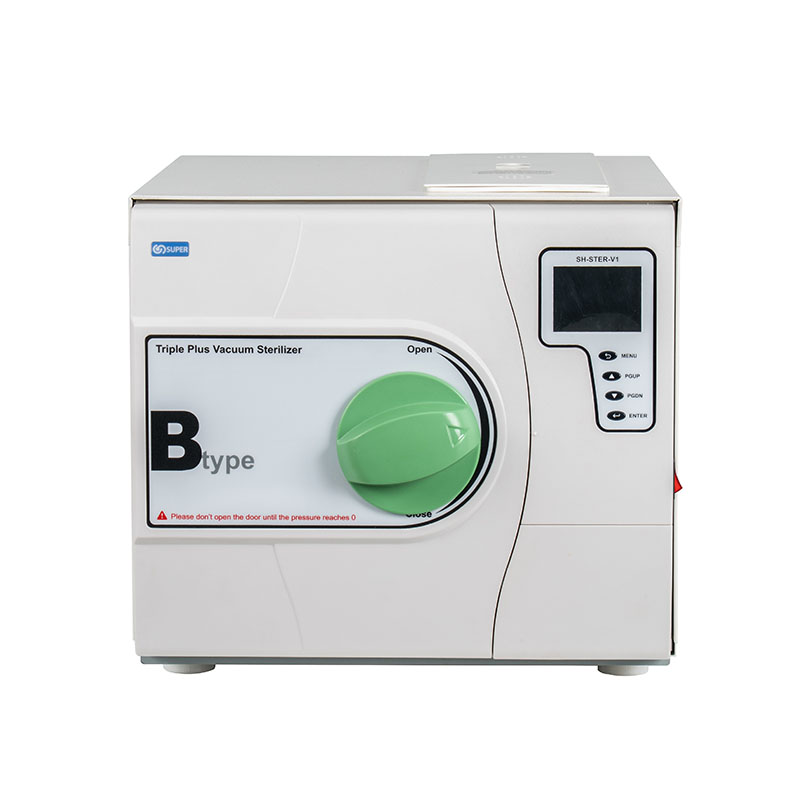
Class B dental autoclave
This China Class B Dental Autoclave Product Details Page by BestMedical supplier is the preferred equipment for high-temperature sterilization in dental clinics, laboratories and medical institutions. The whole machine strictly complies with European Class B sterilization standards and integrates three-pulse pre-vacuum and vacuum drying functions, which can meet the high-standard sterilization needs of various complex dental instruments such as hollow, porous, and inner-lumen pipes.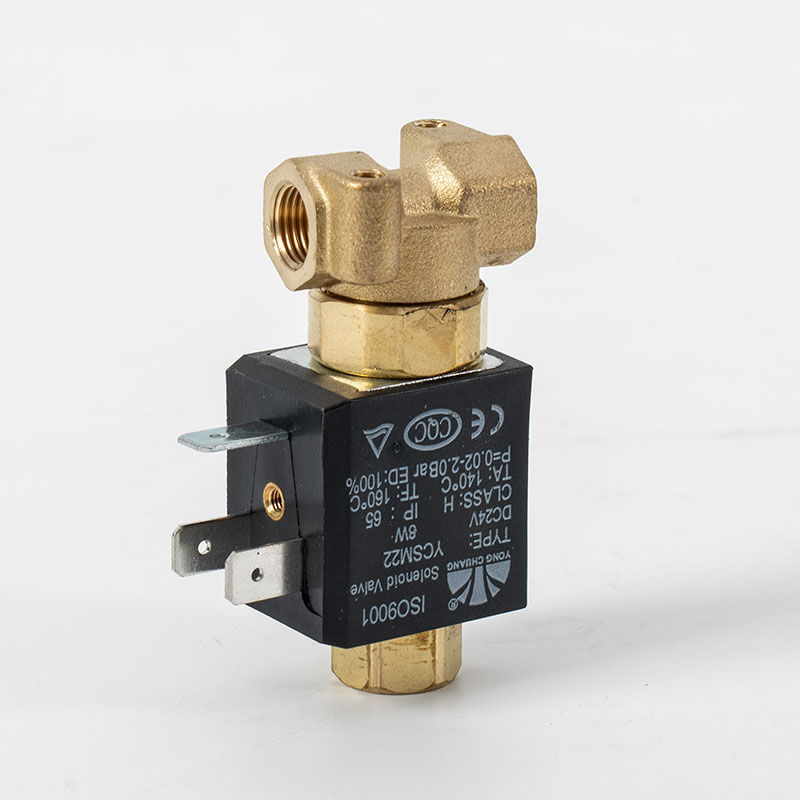
Dental autoclave normally closed solenoid valve
This Dental autoclave normally closed solenoid valve is a crucial component in the control system of the dental sterilizer. It is mainly responsible for the on-off control of steam and water channels within the equipment, and is an important accessory that ensures the stable operation of the sterilization process. The product is designed for professional working conditions and has excellent high-temperature resistance. The sealing structure is tight and durable, with a quick response during opening and closing, and is stable and reliable during long-term operation. It can be used with various desktop dental sterilizers. This solenoid valve is manufactured by the domestic professional medical sterilization equipment manufacturer Best Medical, with stable quality and strong versatility. It is a standard replacement part for dental steam sterilizers.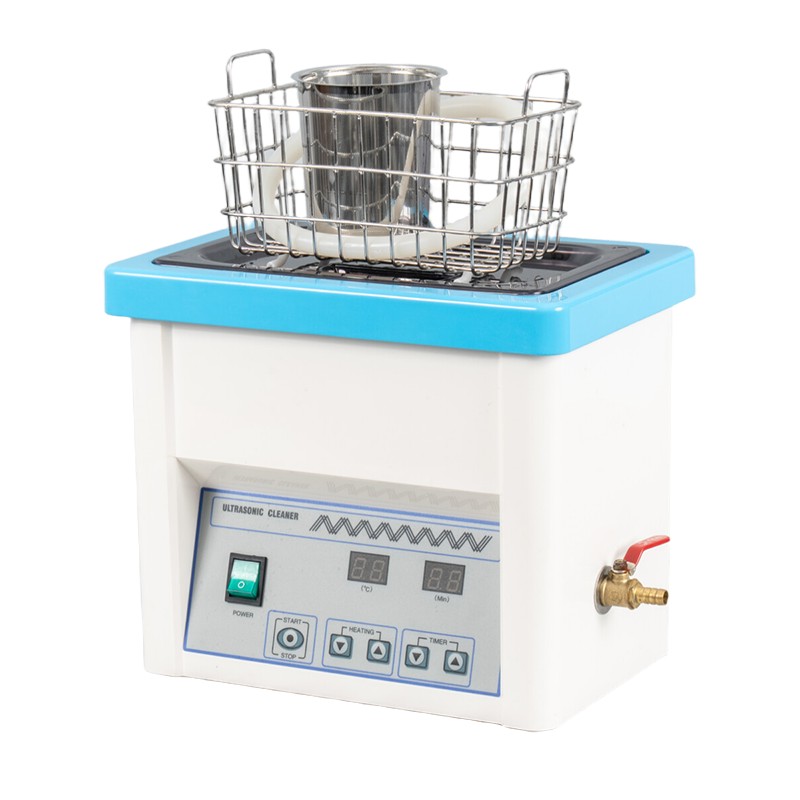
Dental handpiece ultrasonic cleaner
This Dental handpiece ultrasonic cleaner is a special deep cleaning equipment for dental handpieces. It uses high-frequency ultrasonic oscillation technology to carry out deep cleaning and efficient decontamination of the internal pipes, bearings and gaps of dental handpieces. It is equipped with precise temperature control and timing systems. The 304 stainless steel inner tank is corrosion-resistant and easy to clean. It is supplied by BestMedical, a professional medical sterilization equipment manufacturer in China. It is in stock. It is a special equipment for cleaning and maintenance of dental handpieces in dental clinics and oral hospitals.
- Related Blog
- Reviews
